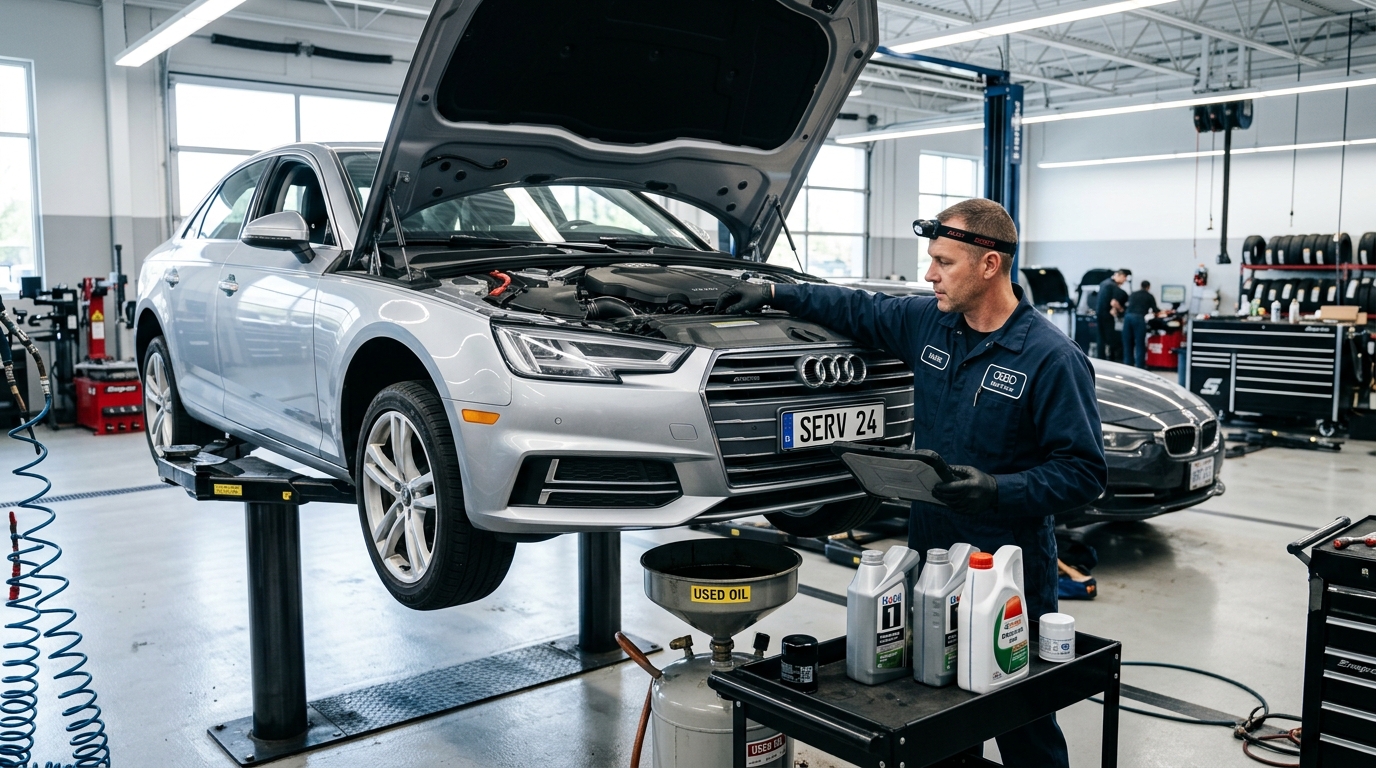
Proper vehicle care is not just about fixing problems when they occur. It is about preventing them before they start. In this guide on Top Automotive Maintenance Tips to Extend Your Vehicle’s Lifespan, you will learn practical, proven strategies to keep your car running smoothly for years while saving money on costly repairs.
Whether you drive daily or occasionally, consistent maintenance improves safety, performance, and resale value. It also reduces unexpected breakdowns that can disrupt your routine.
Why Automotive Maintenance Matters More Than Ever
Modern vehicles are built to last, but only when properly maintained. According to the National Highway Traffic Safety Administration, regular maintenance significantly reduces accident risks caused by mechanical failures.
Organizations like AAA also report that preventive care is far cheaper than emergency repairs. Ignoring small issues often leads to major mechanical failures that could have been avoided.
Good maintenance is not just about saving money. It ensures safety, fuel efficiency, and long-term reliability.
1. Regular Oil Changes Are Non-Negotiable
Engine oil is the lifeblood of your vehicle. It lubricates moving parts, reduces friction, and prevents overheating. Over time, oil breaks down and becomes less effective.
Most manufacturers recommend oil changes every 3,000 to 7,500 miles depending on driving conditions. Always use high-quality oil such as Mobil 1 for optimal engine protection.
Skipping oil changes leads to sludge buildup, reduced performance, and engine damage.
2. Tire Maintenance for Safety and Efficiency
Your tires are the only point of contact between your car and the road. Proper tire care improves fuel efficiency, handling, and braking distance.
Check tire pressure monthly and rotate tires every 5,000 to 7,500 miles. Uneven wear can reduce tire life and safety.
Premium tire brands like Michelin offer advanced durability and performance, but even the best tires require consistent maintenance.
Key Tire Maintenance Tips
- Maintain recommended air pressure
- Inspect tread depth regularly
- Rotate tires routinely
- Balance wheels when needed
3. Brake System Inspection Saves Lives
Your braking system is critical for safety. Worn brake pads or damaged rotors can significantly increase stopping distance.
Listen for squeaking or grinding noises, which are early warning signs. Have your brakes inspected at least twice a year.
Ignoring brake issues can lead to costly repairs and dangerous driving conditions.
4. Battery Care Prevents Unexpected Breakdowns
A dead battery is one of the most common roadside issues. Extreme temperatures and age reduce battery performance.
Check battery terminals for corrosion and ensure secure connections. Most car batteries last 3 to 5 years.
If your vehicle struggles to start, it may be time for a replacement.
5. Keep All Fluids at Proper Levels
Your car depends on several fluids to function correctly. These include coolant, brake fluid, transmission fluid, and power steering fluid.
Low or contaminated fluids can lead to serious mechanical problems. Check fluid levels monthly and top up as needed.
Coolant is especially important to prevent engine overheating during long drives or hot weather.
6. Replace Air and Fuel Filters Regularly
Air and fuel filters protect your engine from dirt and debris. A clogged filter reduces engine efficiency and fuel economy.
Replacing filters is a simple and affordable maintenance task that can significantly improve performance.
Most filters should be replaced every 12,000 to 15,000 miles depending on driving conditions.
7. Engine Health Depends on Driving Habits
How you drive has a direct impact on your vehicle’s lifespan. Aggressive driving, sudden braking, and rapid acceleration put stress on the engine and transmission.
Gentle driving habits help maintain long-term engine health and reduce wear and tear.
Consistent maintenance combined with smart driving ensures maximum vehicle longevity.
8. Seasonal Maintenance Is Essential
Different seasons bring different challenges for your vehicle. Cold weather affects battery performance, while heat impacts tire pressure and cooling systems.
Before winter or summer, inspect your vehicle thoroughly to ensure it is ready for changing conditions.
This includes checking antifreeze levels, tire condition, and windshield wipers.
9. DIY vs Professional Maintenance
Some maintenance tasks can be done at home, such as checking oil or tire pressure. However, complex repairs should always be handled by professionals.
Certified mechanics ensure accurate diagnostics and safe repairs. Combining DIY care with professional servicing is the best approach.
10. Smart Maintenance Saves Money and Builds Financial Stability
Regular car maintenance not only extends vehicle life but also reduces financial stress caused by unexpected repairs. This approach aligns with smarter financial planning and even supports broader goals like passive income creation.
For example, many car owners explore online business opportunities such as affiliate marketing, dropshipping business, and comparing affiliate vs dropshipping models to generate extra income for vehicle upkeep and lifestyle expenses.
When managed well, savings from efficient car care can be reinvested into digital ventures and long-term financial growth strategies.
Internal Resources for More Learning
Explore more helpful guides on our website:
Final Thoughts
Following these Top Automotive Maintenance Tips to Extend Your Vehicle’s Lifespan ensures your car stays reliable, safe, and efficient for years. Preventive care is always more affordable than emergency repairs.
By combining proper maintenance, responsible driving, and financial awareness, you can maximize both your vehicle’s performance and your long-term savings.
