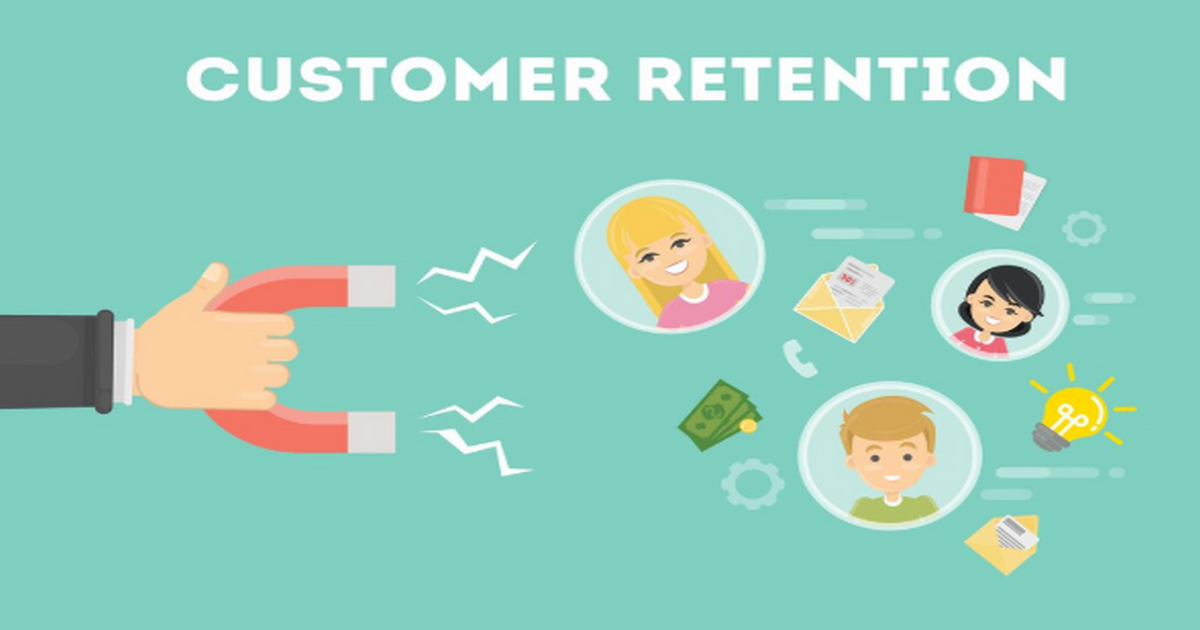
In today’s competitive market, acquiring a new customer can cost five times more than retaining an existing one. Businesses that focus on retention enjoy higher lifetime value, increased passive income, and sustainable growth. This guide will explore how to master customer retention, providing actionable strategies for online business, affiliate marketing, and even dropshipping business models.
What Is Customer Retention?
Customer retention refers to the ability of a business to keep its customers over time. It’s not just about repeat purchases; it’s about building loyalty, trust, and long-term relationships. Companies with high retention rates typically see:
- Increased revenue per customer
- Lower marketing costs
- Stronger brand reputation
- Improved customer satisfaction
Understanding how to master customer retention allows businesses to focus on strategies that keep customers engaged and satisfied.
Why Customer Retention Is Crucial
Customer retention offers measurable benefits:
- Higher ROI: Retained customers spend more over time, making every marketing dollar more effective.
- Referrals and Advocacy: Loyal customers are more likely to refer others and provide testimonials.
- Predictable Revenue: Repeat customers provide steady cash flow, which is vital for growth.
For more insights on customer loyalty programs, check out Shopify Loyalty Programs and how they can improve customer retention metrics.
Step 1: Understand Your Customers
Before implementing retention strategies, you need to understand your customers. Analyze demographics, purchase behavior, and preferences. Techniques include:
- Customer surveys and feedback forms
- Purchase history analysis using Google Analytics
- Social media engagement tracking
- Behavioral email campaign data
Understanding what motivates your customers allows you to create personalized experiences, a key factor in how to master customer retention.
Step 2: Deliver Exceptional Customer Service
Customer service is often the defining factor between a one-time buyer and a loyal customer. Tips for excellence include:
- Respond promptly to inquiries via chat, email, or social media
- Train staff to handle complaints empathetically and effectively
- Use tools like Zendesk for ticketing and support management
- Follow up after purchases to ensure satisfaction
High-quality service builds trust, encourages repeat purchases, and strengthens the connection between your brand and customers.
Step 3: Implement Loyalty Programs
Loyalty programs reward repeat customers and increase engagement. Consider:
- Point-based systems for purchases
- Exclusive discounts for members
- VIP tiers with additional benefits
- Referral rewards for bringing new customers
Platforms like Yotpo Loyalty & Referrals can simplify implementation, making it easier to track and reward loyal customers.
Step 4: Personalize the Customer Experience
Personalization is critical for retention. Customers want relevant content, offers, and recommendations. Strategies include:
- Segmenting email campaigns based on behavior or purchase history
- Offering personalized product recommendations on your online business platform
- Using dynamic website content to show relevant promotions
- Customizing follow-up messages after purchases
Effective personalization not only boosts conversions but also strengthens the emotional bond with your brand.
Step 5: Provide Value Beyond the Purchase
Customers stay loyal to businesses that offer more than just products. Adding value can include:
- Educational content like blogs or video tutorials
- Free tools, templates, or resources related to your industry
- Regular updates on industry trends via newsletters
- Exclusive webinars or training sessions
For content ideas, you can explore Content Marketing Institute resources to create valuable material that engages your audience consistently.
Step 6: Optimize Post-Purchase Engagement
Post-purchase engagement encourages repeat business. Steps include:
- Sending personalized thank-you emails
- Offering complementary products or upsells
- Requesting reviews and feedback to show you value opinions
- Setting up automated follow-up sequences
These actions make customers feel appreciated, reinforcing loyalty and increasing lifetime value.
Step 7: Use Data to Monitor Retention
Tracking retention metrics allows you to adjust strategies effectively. Key performance indicators include:
- Customer retention rate (CRR)
- Repeat purchase rate (RPR)
- Customer lifetime value (CLV)
- Net promoter score (NPS)
Analytics tools like HubSpot Analytics help you monitor these metrics and make data-driven decisions for improving retention.
Step 8: Address Customer Churn
Churn is inevitable, but proactive steps can reduce it:
- Identify customers at risk through engagement metrics
- Send personalized retention offers or discounts
- Conduct exit surveys to understand reasons for leaving
- Improve products or services based on feedback
Reducing churn is as important as acquiring new customers for achieving long-term passive income and business growth.
Step 9: Encourage Community and Engagement
Creating a sense of community enhances retention. Examples include:
- Private social media groups or forums for customers
- Encouraging user-generated content and reviews
- Hosting events, webinars, or live Q&A sessions
- Fostering discussion around your brand and products
Engaged customers are more likely to become advocates and contribute to organic growth for your online business.
Step 10: Continuously Innovate and Improve
Retention strategies must evolve. Regularly innovate by:
- Updating products or services based on customer needs
- Introducing new features or enhancements
- Experimenting with loyalty programs or engagement campaigns
- Analyzing competitor strategies to stay ahead
Continuous improvement ensures your business remains relevant and keeps customers returning.
Conclusion
Mastering customer retention is essential for sustainable growth. By understanding your audience, delivering exceptional service, personalizing experiences, and providing ongoing value, you can create a loyal customer base. Incorporating loyalty programs, post-purchase engagement, and community building will further strengthen relationships. Finally, monitoring retention metrics and continuously innovating ensures long-term success.
Whether you operate an online business, manage a dropshipping business, or leverage affiliate marketing, applying these strategies will help you achieve higher passive income and build a loyal customer base. Focus on retention today, and your business will enjoy sustained growth and profitability for years to come.
