Why Preventive Maintenance Matters More Than Ever
Auto repair costs have risen steadily over the past few years. Labor rates are higher, replacement parts are more expensive, and modern vehicles rely heavily on complex technology. Learning how to lower auto repair costs with preventive maintenance strategies is no longer optional. It is a smart financial decision.
Preventive maintenance focuses on fixing small issues before they turn into costly repairs. Just like managing a passive income stream or running an online business, consistency and planning lead to long-term savings. This guide explains proven strategies to reduce repair bills, extend vehicle life, and protect your budget.
Understanding Preventive Maintenance for Vehicles
Preventive maintenance means performing regular inspections and services based on time or mileage. These actions help detect wear and tear early.
Common preventive maintenance tasks include oil changes, tire rotations, brake inspections, and fluid checks. When done correctly, these steps reduce breakdown risks and improve safety.
Preventive Maintenance vs Reactive Repairs
Reactive repairs happen after something fails. Preventive maintenance happens before failure occurs.
For example, replacing worn brake pads costs far less than replacing damaged rotors and calipers. Over time, proactive care can save thousands of dollars in repair expenses.
The True Cost of Ignoring Routine Maintenance
Skipping scheduled maintenance might seem like a short-term saving. In reality, it leads to higher long-term expenses.
Engine damage from neglected oil changes, transmission failure due to dirty fluid, or overheating caused by low coolant can result in massive repair bills. These are avoidable costs.
Think of preventive maintenance as an investment. Much like affiliate marketing or building a dropshipping business, small consistent efforts lead to compounding benefits.
Essential Preventive Maintenance Strategies That Save Money
1. Follow the Manufacturer’s Maintenance Schedule
Your vehicle’s owner manual outlines a detailed service schedule. This schedule is designed to minimize long-term repair costs.
Following it helps maintain warranty coverage and ensures critical components are serviced on time.
You can also find maintenance schedules on reputable automotive resources like
Edmunds.
2. Change Engine Oil and Filters Regularly
Oil lubricates engine components and reduces friction. Dirty oil causes excessive wear.
Regular oil changes are one of the cheapest ways to avoid expensive engine repairs. Always use the recommended oil type and interval.
3. Monitor Tire Health and Alignment
Tires affect fuel efficiency, safety, and suspension wear. Underinflated or misaligned tires wear unevenly.
Check tire pressure monthly and rotate tires every 5,000 to 8,000 miles. This simple habit lowers replacement costs.
4. Inspect Brakes Before They Fail
Brake repairs can be affordable or extremely expensive depending on timing.
Replacing brake pads early prevents rotor damage. Have brakes inspected during routine services.
More brake safety tips are available at
NHTSA.
Fluid Maintenance: A Hidden Cost Saver
Fluids play a critical role in vehicle performance. Ignoring them leads to component failure.
Key Fluids to Check Regularly
Important fluids include engine oil, transmission fluid, coolant, brake fluid, and power steering fluid.
Low or contaminated fluids increase friction and heat. This accelerates wear and leads to costly repairs.
Transmission Fluid Checks
Transmission repairs are among the most expensive automotive fixes.
Regular fluid inspections and changes help avoid slipping gears, delayed shifting, and total failure.
Battery and Electrical System Care
Modern vehicles rely heavily on electronics. A failing battery can trigger multiple system errors.
Check battery terminals for corrosion and test the battery annually. Most batteries last three to five years.
Replacing a weak battery early prevents alternator strain and electrical failures.
Use Preventive Diagnostics to Catch Problems Early
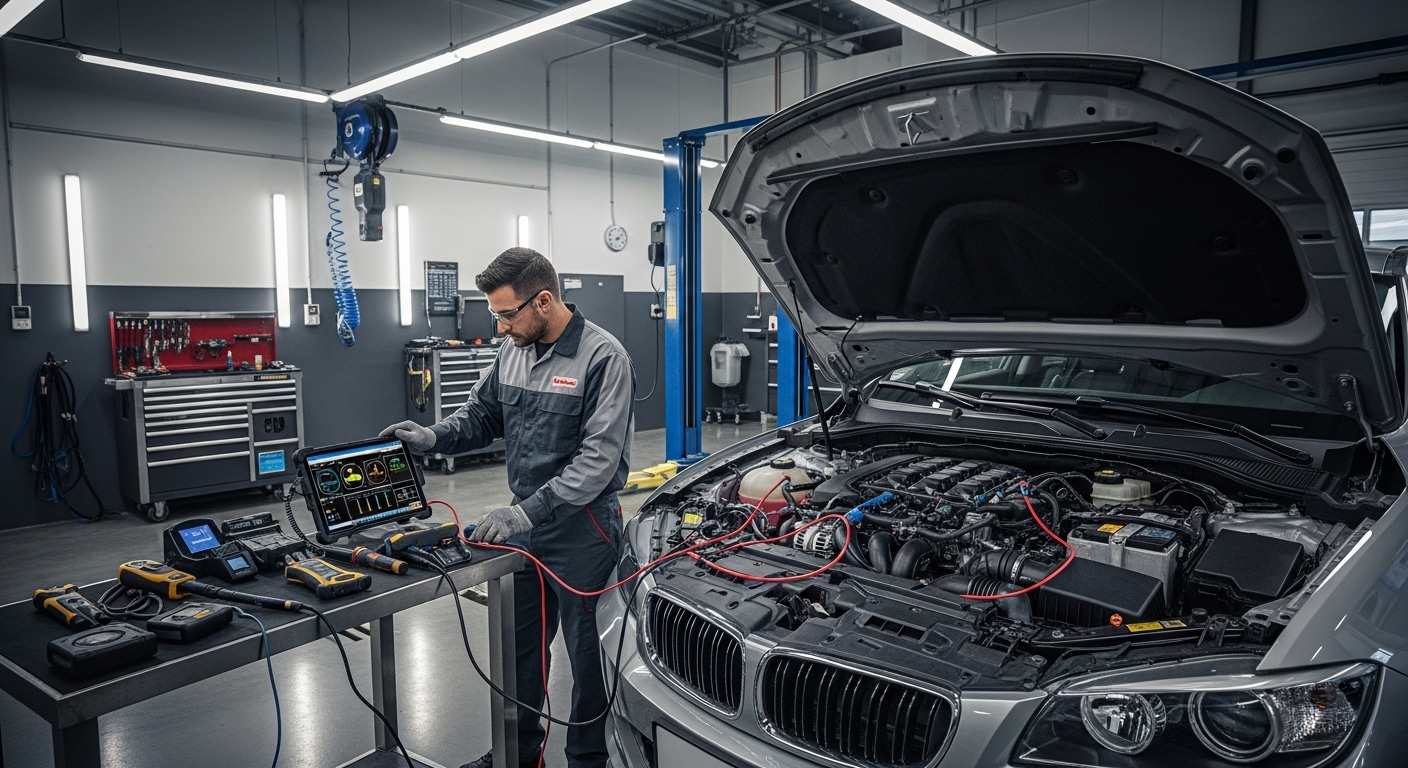
Diagnostic scans can identify issues before symptoms appear.
Many auto parts stores offer free diagnostic scans. These scans help pinpoint sensor issues, misfires, or emission problems.
Early diagnostics reduce labor costs and prevent damage to other components.
Choose Quality Parts and Trusted Service Providers
Cheap parts often fail faster. Quality components may cost more upfront but last longer.
Work with certified mechanics or reputable repair shops. Online reviews and certifications help identify reliable providers.
Websites like
Consumer Reports provide trusted service and product evaluations.
DIY Maintenance: When It Makes Sense
Some maintenance tasks are simple and safe for vehicle owners.
Replacing air filters, wiper blades, and cabin filters requires minimal tools. Learning these tasks can reduce service bills.
However, complex repairs should always be handled by professionals.
How Preventive Maintenance Improves Fuel Efficiency
Poorly maintained vehicles consume more fuel.
Clean air filters, properly inflated tires, and efficient engines burn fuel more effectively.
Improved fuel efficiency means lower monthly expenses and reduced environmental impact.
Budgeting for Preventive Maintenance
Set aside a monthly vehicle maintenance budget.
This approach prevents financial stress when routine service is needed. It also avoids the temptation to delay essential maintenance.
This budgeting mindset mirrors successful strategies used in affiliate vs dropshipping planning, where consistent reinvestment ensures long-term growth.
Long-Term Financial Benefits of Preventive Maintenance
Vehicles that receive regular maintenance last longer and retain higher resale value.
Buyers prefer well-documented service histories. This translates to higher trade-in or resale prices.
Over time, preventive care reduces total cost of ownership significantly.
Final Thoughts: Small Habits, Big Savings
Learning how to lower auto repair costs with preventive maintenance strategies empowers vehicle owners to take control of expenses.
Routine inspections, timely servicing, and informed decisions protect both your car and your wallet.
Just like building a scalable online business or growing passive income, preventive maintenance rewards discipline and consistency.
Start today. Your future self and your bank account will thank you.
