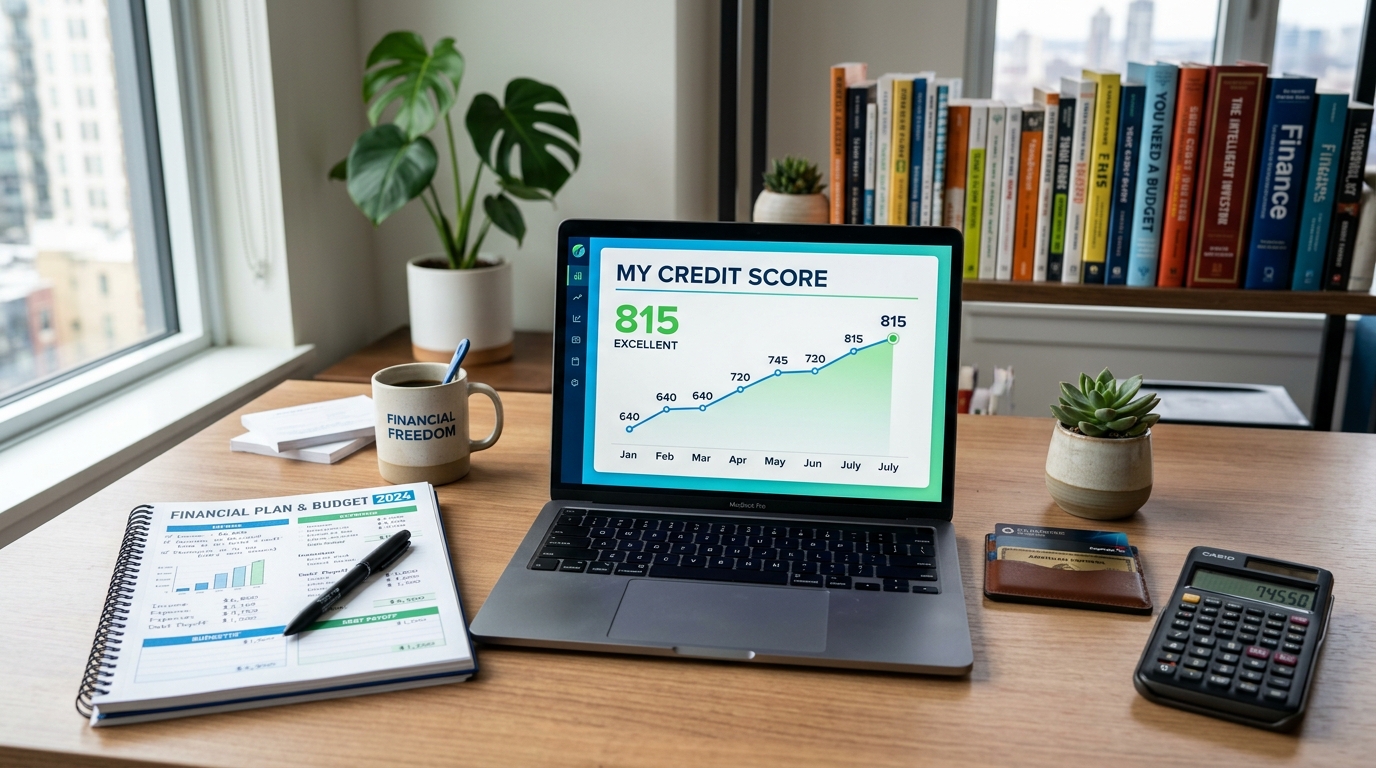
Learning how to create a personal budget that actually works is one of the most important financial skills you can develop. A well-structured budget does more than track your money. It gives you control, clarity, and confidence in every financial decision you make.
Many people struggle with budgeting because they treat it as a restriction. In reality, a good budget is a financial roadmap. It helps you spend intentionally, save consistently, and build long-term wealth without stress.
Why Budgeting Is the Foundation of Financial Success
Before learning how to create a personal budget that actually works, you must understand why it matters. Budgeting is not just about cutting expenses. It is about aligning your money with your goals.
According to Investopedia, a budget is a spending plan based on income and expenses. It ensures you always know where your money goes.
Without a budget, financial goals like saving, investing, or building passive income become extremely difficult to achieve.
Step 1: Understand Your Income Clearly
The first step in learning how to create a personal budget that actually works is understanding your total income. This includes:
- Salary or wages
- Freelance income
- Side hustle earnings
- Any online business income
If your income varies monthly, calculate an average based on the last three to six months. This gives you a realistic baseline for budgeting.
Step 2: Track Every Expense
Expense tracking is the most eye-opening part of budgeting. Many people are surprised when they see where their money actually goes.
Divide your expenses into categories:
- Fixed expenses (rent, insurance, loans)
- Variable expenses (food, transport, utilities)
- Discretionary spending (entertainment, shopping)
You can use tools like NerdWallet or budgeting apps to simplify this process.
Tracking expenses helps you identify wasteful spending and redirect money toward savings or investments.
Step 3: Choose a Budgeting Method That Fits Your Lifestyle
There is no one-size-fits-all approach when learning how to create a personal budget that actually works. Choose a method that matches your financial behavior.
1. The 50/30/20 Rule
This is one of the simplest budgeting methods:
- 50% for needs
- 30% for wants
- 20% for savings and debt repayment
2. Zero-Based Budgeting
Every dollar is assigned a purpose. Income minus expenses equals zero. This method gives maximum control.
3. Envelope System
Cash is divided into envelopes for each category. When the envelope is empty, spending stops.
Each method helps build financial discipline, which is essential for long-term success.
Step 4: Set Realistic Financial Goals
A budget without goals lacks direction. When learning how to create a personal budget that actually works, you must define clear financial objectives.
Examples of goals include:
- Building an emergency fund
- Paying off debt
- Investing in stocks or ETFs
- Starting affiliate marketing or a dropshipping business
When your budget supports your goals, staying motivated becomes easier.
Step 5: Build an Emergency Fund First
Before focusing on investments or luxury spending, prioritize an emergency fund. This protects you from unexpected financial shocks.
Experts recommend saving 3–6 months of essential expenses in a separate account.
This step is critical in mastering how to create a personal budget that actually works because it prevents debt during emergencies.
Step 6: Reduce Unnecessary Spending
One of the fastest ways to improve your budget is cutting wasteful expenses. This does not mean eliminating enjoyment. It means spending intentionally.
Ask yourself:
- Do I need this, or do I just want it?
- Will this purchase improve my long-term financial situation?
Small changes like reducing subscriptions or dining out less can significantly improve savings over time.
Step 7: Include Savings and Investments in Your Budget
A strong budget always includes savings and investments. This is where wealth-building begins.
Allocate a portion of your income toward:
- Retirement accounts
- Index funds or ETFs
- Side investments like passive income projects
Platforms like Fidelity or Vanguard help beginners start investing easily.
Budgeting is not just about limiting spending. It is about growing your money over time.
Step 8: Build Additional Income Streams
Sometimes budgeting alone is not enough. Increasing income can make financial planning much easier.
You can explore:
- Freelancing or consulting
- Affiliate marketing
- Creating an online business
- Building a dropshipping business
Many people compare affiliate vs dropshipping when starting online ventures. Affiliate marketing requires no inventory, while dropshipping involves selling physical products without holding stock.
Both models can generate scalable income when combined with a solid budgeting system.
Step 9: Automate Your Budget
Automation is a powerful tool in learning how to create a personal budget that actually works. It reduces human error and ensures consistency.
Set up automatic transfers for:
- Savings accounts
- Investment accounts
- Bill payments
This ensures your financial priorities are handled before you have a chance to overspend.
Step 10: Review and Adjust Your Budget Regularly
A budget is not a one-time task. It is a living system that must be reviewed regularly.
Every month, check:
- Income changes
- Spending habits
- Progress toward financial goals
If something is not working, adjust it. Flexibility is key to long-term success.
Common Budgeting Mistakes to Avoid
Even with the best intentions, many people fail due to simple mistakes:
- Setting unrealistic limits
- Not tracking expenses consistently
- Ignoring small purchases
- Not planning for emergencies
Understanding these mistakes helps you stay on track when building your budget.
Conclusion: Build a Budget That Builds Your Future
Learning how to create a personal budget that actually works is one of the most powerful steps toward financial independence. A strong budget helps you control your money instead of letting your money control you.
By tracking expenses, setting goals, saving consistently, and exploring income opportunities like affiliate marketing, passive income, and a dropshipping business, you can create a financial system that supports long-term success.
The key is consistency. Start small, stay disciplined, and improve your system over time. Financial freedom is built one smart decision at a time.
