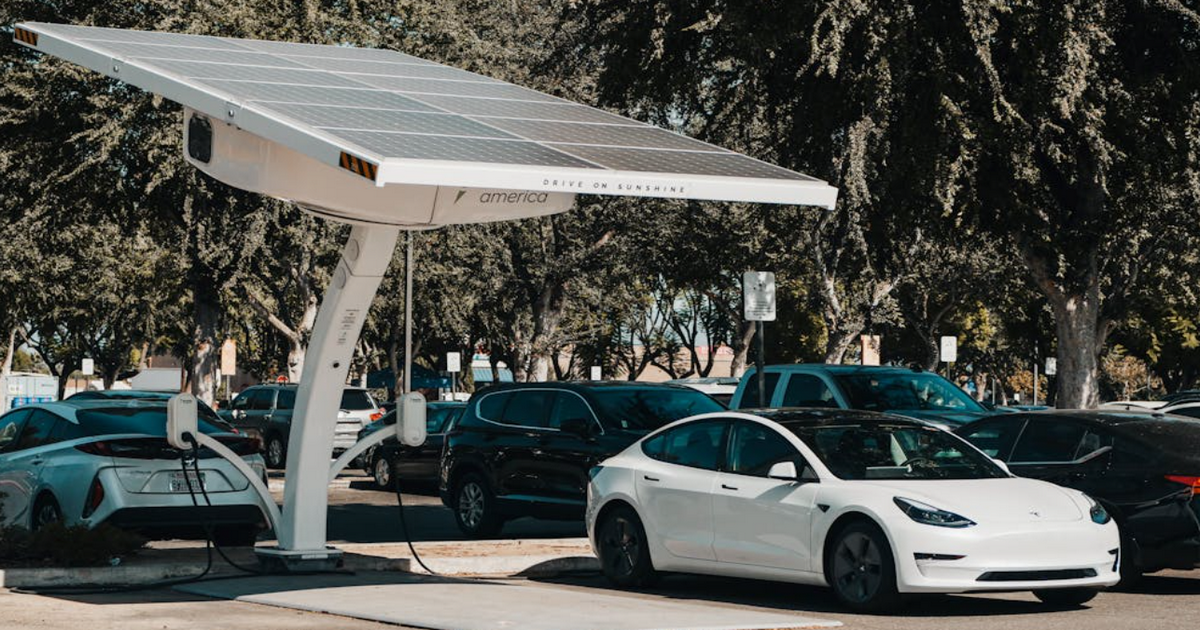
Electric vehicles are no longer a futuristic concept. They are now a practical, cost-effective, and eco-friendly option for millions of drivers worldwide. However, choosing the right electric vehicle (EV) can feel overwhelming due to the growing number of models, features, and price points available.
This complete guide will help you understand how to choose the right electric vehicle for your driving needs, lifestyle, and budget. Whether you commute daily, take long road trips, or want to reduce fuel costs, this guide will help you make a confident decision.
Understand Your Daily Driving Habits
The first step in choosing an EV is understanding how you drive. Your driving habits directly affect which EV model will work best for you.
Average Daily Mileage
Most modern EVs offer between 200 and 350 miles of range. If your daily commute is under 50 miles, almost any EV will meet your needs.
Drivers who travel longer distances should prioritize models with extended range. This prevents frequent charging and improves convenience.
You can learn more about real-world EV range estimates from electric vehicle range ratings, which provide official efficiency data.
City vs Highway Driving
City drivers benefit the most from EVs. Regenerative braking improves efficiency in stop-and-go traffic. Highway driving requires higher range and fast-charging support.
If you drive mostly in urban areas, compact EVs may be the smartest option.
Choose the Right EV Type
Electric vehicles come in several body styles. Choosing the right type depends on comfort, cargo needs, and family size.
Sedan EVs
Electric sedans are efficient, affordable, and ideal for commuting. They offer smooth rides and excellent mileage.
Examples include the Tesla Model 3 and Hyundai Ioniq Electric.
SUV and Crossover EVs
Electric SUVs offer more space, higher seating positions, and better versatility. They are perfect for families and long trips.
If you need cargo space or travel with children, an electric SUV may be the best fit.
Pickup and Utility EVs
Electric trucks are gaining popularity. They offer towing power and utility while reducing fuel costs.
These models are ideal for work-related driving and outdoor activities.
Evaluate EV Range and Battery Performance
Range anxiety is one of the biggest concerns for new EV buyers. Fortunately, battery technology has improved significantly.
When choosing the right electric vehicle, always consider:
- Your daily driving distance
- Charging availability
- Weather conditions
Cold climates can reduce range slightly. Choosing an EV with extra range provides peace of mind.
Charging Options and Infrastructure
Charging convenience is just as important as driving range.
Home Charging
Home charging is the most cost-effective and convenient option. A Level 2 home charger can fully charge most EVs overnight.
If you own your home, installing a charger is highly recommended.
Public Charging Networks
Public charging stations are expanding rapidly. Fast-charging stations allow you to charge up to 80% in under 30 minutes.
Before buying an EV, check charging availability in your area using tools like EV charging station maps.
Consider Total Cost of Ownership
While EVs may have higher upfront costs, they often save money long-term.
Lower Fuel Costs
Electricity is significantly cheaper than gasoline. Over time, this leads to major savings.
Reduced Maintenance
EVs have fewer moving parts. There are no oil changes, fewer brake replacements, and lower maintenance expenses.
Choosing an EV is similar to building a passive income strategy. The upfront investment may be higher, but long-term returns are greater.
Government Incentives
Many countries offer tax credits and incentives for EV buyers. These benefits can reduce the purchase price substantially.
You can check eligibility details through official government resources or trusted automotive platforms.
Technology and Safety Features
Modern EVs are packed with advanced technology.
Driver Assistance Systems
Features like adaptive cruise control, lane assist, and automatic braking improve safety.
Infotainment and Connectivity
Most EVs offer smartphone integration, navigation, and remote vehicle monitoring through mobile apps.
Technology-focused buyers often compare EV features like choosing between affiliate vs dropshipping in an online business. The right option depends on tools, scalability, and long-term value.
Environmental Impact and Sustainability
One of the biggest reasons drivers switch to EVs is sustainability.
Electric vehicles produce zero tailpipe emissions. This reduces air pollution and carbon footprint.
Choosing an EV supports a cleaner future, similar to how affiliate marketing allows scalable growth with fewer resources than a traditional dropshipping business.
Test Drive Before You Decide
A test drive is essential. EVs drive differently than gas vehicles.
Pay attention to:
- Acceleration and braking
- Cabin comfort
- Visibility and controls
Test driving helps you feel confident about your choice.
Compare EV Brands and Reliability
Not all EV brands offer the same reliability and customer support.
Research owner reviews, warranty coverage, and service availability.
Trusted automotive platforms like electric car reviews and comparisons provide expert insights.
Plan for the Future
EV ownership is a long-term decision.
Choose a vehicle that fits your future needs. Consider family growth, career changes, and travel plans.
Future-proofing your purchase ensures satisfaction for years to come.
Final Thoughts: Choosing the Right Electric Vehicle
Choosing the right electric vehicle (EV) depends on your driving habits, budget, and lifestyle.
By understanding range, charging options, costs, and features, you can confidently select an EV that meets your needs.
Electric vehicles are not just transportation. They are a smart investment in efficiency, sustainability, and long-term savings.
If you are ready to transition to electric driving, now is the perfect time to make the switch.
For more helpful guides, explore our complete EV charging guide and vehicle maintenance tips.
