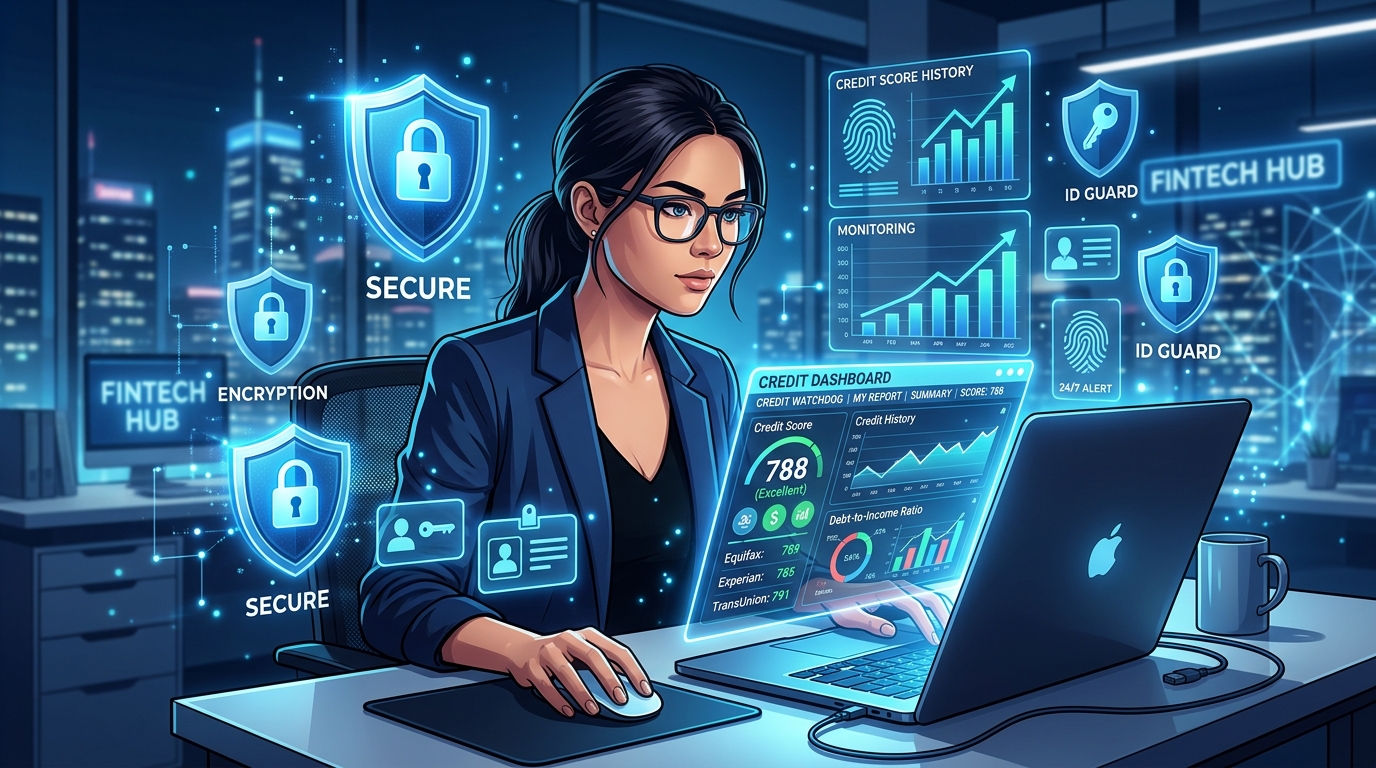
In today’s digital world, protecting your financial identity is more important than ever. Cybercriminals are constantly finding new ways to steal personal data, open fraudulent accounts, and damage your credit profile. That is why learning effective credit monitoring tips to protect your financial identity is essential for everyone, whether you are a student, professional, or business owner.
Credit monitoring helps you stay aware of changes in your credit reports, alerts you about suspicious activity, and gives you control over your financial reputation. With the right strategies, you can detect fraud early and prevent long-term damage. In this guide, we will explore practical steps, tools, and habits that can help you secure your financial future.
What Is Credit Monitoring and Why It Matters
Credit monitoring is a service or practice that tracks changes in your credit report and alerts you when important activity occurs. This includes new credit inquiries, account openings, late payments, or suspicious behavior.
The importance of credit monitoring cannot be overstated. Identity theft can go unnoticed for months if you are not actively checking your credit. By the time you discover the issue, your credit score may already be damaged.
Reliable resources like AnnualCreditReport.com allow you to access your credit reports for free. Meanwhile, government platforms such as IdentityTheft.gov provide recovery support if fraud occurs.
Top Credit Monitoring Tips to Protect Your Financial Identity
Below are essential strategies you should follow to stay safe and maintain strong financial health.
1. Review Your Credit Reports Regularly
One of the simplest yet most effective habits is checking your credit reports at least once every few months. Look for unfamiliar accounts, incorrect personal details, or suspicious inquiries.
Each of the three major credit bureaus may show slightly different information, so it is important to check all of them. Consistency is key to spotting errors early.
2. Set Up Real-Time Credit Alerts
Most credit monitoring services offer real-time alerts. These notifications inform you immediately when there is activity on your credit file.
This can include new loan applications or changes in account balances. Early detection allows you to act quickly and prevent further damage.
3. Freeze Your Credit When Not in Use
A credit freeze restricts access to your credit report, making it harder for fraudsters to open accounts in your name. This is one of the strongest protection methods available.
You can temporarily lift the freeze whenever you need to apply for credit. It is free and highly effective for long-term security.
4. Use Strong and Unique Passwords
Weak passwords are one of the most common security risks. Always use complex passwords for banking and credit-related accounts.
Combine letters, numbers, and symbols. Avoid using the same password across multiple platforms. A password manager can help you store them safely.
5. Watch for Phishing Scams
Phishing emails and messages often pretend to be from banks or credit agencies. They ask for sensitive information or direct you to fake websites.
Never click on suspicious links. Always verify the sender before providing personal details.
How Credit Monitoring Protects Your Financial Identity
Credit monitoring acts as an early warning system. It helps you detect unauthorized activity before it becomes a serious issue.
For example, if someone tries to open a credit card in your name, you will receive an alert immediately. This gives you the chance to stop fraud before it spreads.
It also helps you maintain a healthy credit score by ensuring that all reported data is accurate and up to date.
Best Tools and Services for Credit Monitoring
There are many credit monitoring tools available today. Some are free, while others offer advanced features for a subscription fee.
Popular services include monitoring apps from major credit bureaus and financial platforms. These tools often provide:
- Credit score tracking
- Identity theft alerts
- Dark web monitoring
- Credit report updates
Choosing the right service depends on your needs and budget. Free tools are good for basic monitoring, while premium services offer stronger protection.
Building Financial Awareness and Digital Discipline
Financial security is not just about tools; it is also about mindset. Developing strong digital habits helps you stay protected long-term.
Interestingly, financial awareness often overlaps with modern income strategies such as affiliate marketing, online business, and passive income models. Many people exploring financial independence compare concepts like affiliate vs dropshipping or build a dropshipping business to diversify income sources.
While strategies like affiliate marketing or running an online business can increase financial stability, they also require careful financial tracking. This makes credit monitoring even more important, especially for entrepreneurs managing multiple revenue streams.
Preventing Identity Theft Through Smart Financial Habits
Identity theft prevention requires a combination of awareness and action. Here are additional habits that can help:
- Monitor bank statements weekly
- Avoid sharing personal information publicly
- Use secure Wi-Fi networks for financial transactions
- Enable two-factor authentication on financial accounts
Small habits can make a big difference in protecting your identity and credit health over time.
Why Credit Monitoring Should Be a Long-Term Habit
Credit monitoring is not a one-time task. It should become part of your long-term financial routine. Just like saving money or budgeting, it plays a key role in financial wellness.
By staying consistent, you reduce the risk of fraud, improve your credit score, and gain better control over your financial future.
Whether you are planning to apply for a loan, start a business, or simply improve your financial security, credit monitoring gives you the confidence to move forward safely.
Final Thoughts
Protecting your financial identity is no longer optional. With increasing digital threats, everyone must take proactive steps to secure their credit profile. By applying these credit monitoring tips to protect your financial identity, you can reduce risk and maintain financial stability.
Use trusted tools, stay alert to suspicious activity, and build strong financial habits. Over time, these actions will help you achieve better credit health and long-term peace of mind.
