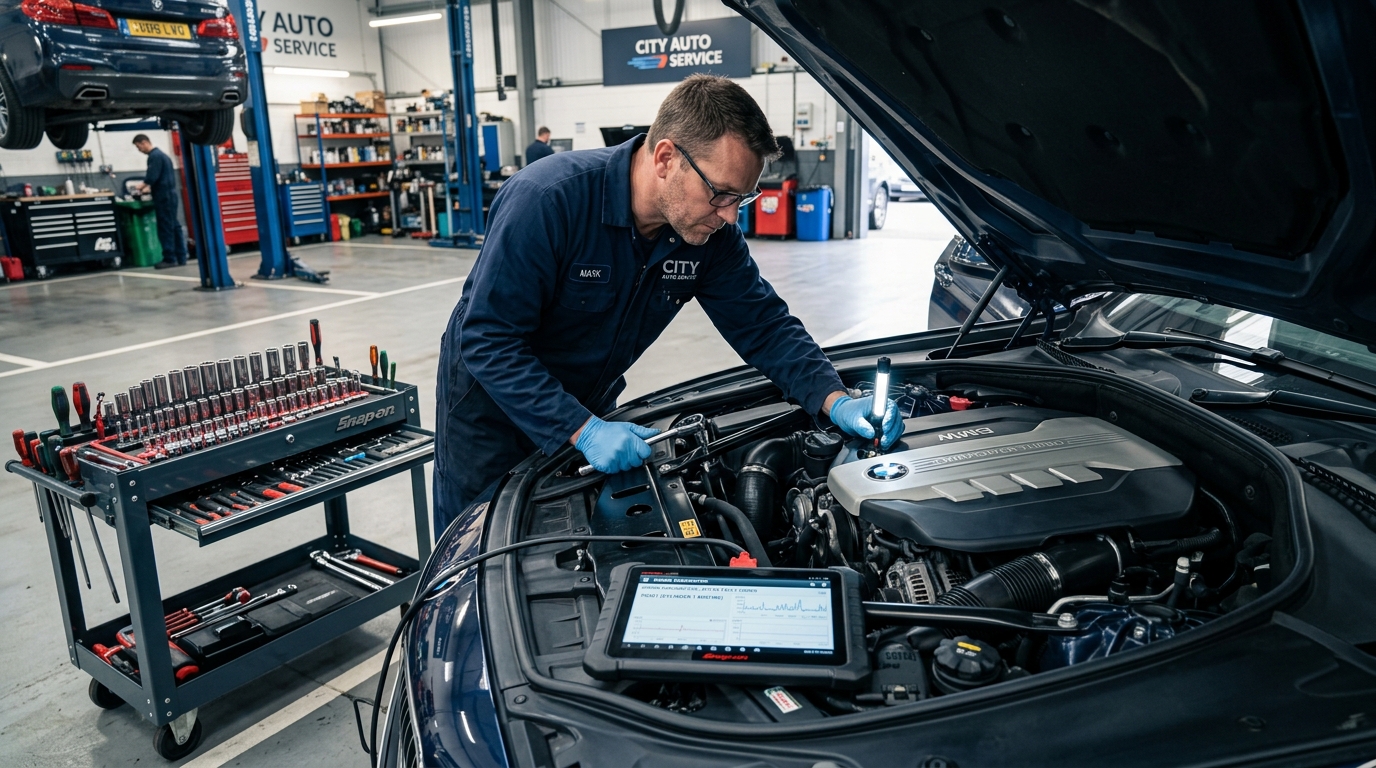
Understanding automotive repair is essential for every car owner who wants to save money, avoid breakdowns, and extend vehicle life. This Automotive Repair Guide: Common Car Problems and How to Fix Them Easily will help you identify frequent issues and learn practical solutions you can apply at home or know when to visit a professional mechanic. Whether you drive daily or occasionally, knowing how your car behaves can prevent expensive repairs in the long run.
Modern vehicles are more reliable than ever, but they still experience mechanical and electrical issues. From battery failure to brake wear, most problems show warning signs before they become serious. This guide explains those signs and provides simple, actionable steps to fix or manage them efficiently.
Why Learning Automotive Repair Matters
Learning basic automotive repair skills can significantly reduce maintenance costs. Instead of depending entirely on workshops, you can diagnose minor issues early. This also helps improve road safety and prevents unexpected breakdowns.
Many people also explore automotive knowledge as part of an online business strategy. Automotive blogs, tutorials, and repair guides can generate passive income through affiliate marketing. In fact, comparisons like affiliate vs dropshipping and building a dropshipping business in automotive tools or accessories are common monetization strategies.
For more detailed maintenance tips, you can refer to Edmunds Car Maintenance Guide or official safety insights at NHTSA Vehicle Maintenance.
1. Car Won’t Start – Battery and Ignition Issues
Common Causes
One of the most frequent problems drivers face is when the car won’t start. This is usually due to a dead battery, faulty starter motor, or ignition system failure. Extreme temperatures and leaving lights on overnight can also drain the battery.
How to Fix It
Start by checking the battery terminals for corrosion. Clean them if necessary. If the battery is dead, jump-start the car using jumper cables and another vehicle. If the issue repeats, replace the battery. Always ensure proper voltage using a multimeter.
If the starter motor is faulty, you may hear a clicking sound. In such cases, professional repair is recommended.
2. Overheating Engine Problems
Why It Happens
Engine overheating is often caused by low coolant levels, radiator leaks, or a failing thermostat. Ignoring this issue can lead to severe engine damage.
Fixing the Issue
Check coolant levels regularly and refill if needed. Inspect radiator hoses for leaks. If the thermostat is stuck closed, replace it immediately. Make sure the cooling fan is functioning properly.
For safety, never open the radiator cap when the engine is hot.
3. Brake System Problems
Warning Signs
Squeaking noises, reduced braking performance, or vibration when pressing the brake pedal are signs of brake issues. Brake pads naturally wear out over time.
Repair Solutions
Inspect brake pads every 10,000–15,000 km. Replace worn pads immediately. If brake fluid is low, refill and check for leaks. Rotors may need resurfacing or replacement if heavily worn.
Brake maintenance is critical for safety. According to automotive experts, ignoring brake issues increases accident risk significantly.
4. Transmission Troubles
Symptoms
Delayed gear shifting, slipping gears, or unusual noises indicate transmission problems. These issues can affect both automatic and manual vehicles.
How to Fix It
Check transmission fluid levels and condition. Dirty or low fluid is a common cause. Replace fluid if it appears dark or smells burnt. For mechanical failures, professional servicing is required.
Regular servicing helps prevent expensive transmission replacements.
5. Check Engine Light Issues
What It Means
The check engine light can indicate multiple problems, from minor sensor faults to serious engine issues. A diagnostic scan is required to identify the exact cause.
Fixing the Problem
Use an OBD-II scanner to read error codes. Replace faulty oxygen sensors, tighten loose fuel caps, or fix emission-related issues. If the light flashes, stop driving immediately and seek professional help.
Ignoring this warning can lead to long-term engine damage.
6. Tire Problems and Wear
Common Issues
Uneven wear, low pressure, or punctures are common tire problems. Poor alignment or overloading the vehicle often accelerates tire damage.
Repair and Maintenance
Check tire pressure weekly. Rotate tires every 8,000–10,000 km. Replace tires when tread depth becomes too low. Proper alignment ensures even wear and better fuel efficiency.
7. Electrical System Failures
Signs of Electrical Issues
Dim headlights, malfunctioning dashboard lights, or power window failure indicate electrical system problems.
Fixing Electrical Problems
Check fuses first and replace any that are blown. Inspect wiring for damage. If alternator failure is suspected, test voltage output and replace if necessary.
Preventive Maintenance Tips
Preventing car problems is easier than fixing them. Follow these simple steps:
• Change engine oil regularly
• Inspect belts and hoses
• Check fluid levels monthly
• Maintain proper tire pressure
• Schedule routine servicing
Consistent maintenance reduces repair costs and improves vehicle performance.
Monetizing Automotive Knowledge Online
Many car enthusiasts turn their knowledge into income streams through blogs and content platforms. Topics like affiliate marketing, passive income, and online business are closely related to automotive content creation.
Some creators compare affiliate vs dropshipping models when selling automotive tools, parts, or accessories online. Others build a dropshipping business focused on car care products. These strategies help monetize expertise while providing value to readers.
You can also create tutorials, product reviews, and maintenance guides to generate traffic and earnings from ads or affiliate links.
Conclusion
This Automotive Repair Guide: Common Car Problems and How to Fix Them Easily helps you understand the most frequent vehicle issues and their solutions. From battery failures to brake problems, knowing how to respond can save time and money.
Regular maintenance and early diagnosis are key to keeping your car in excellent condition. While some repairs can be done at home, others require professional assistance. Stay informed, stay safe, and maintain your vehicle proactively for long-term performance.
