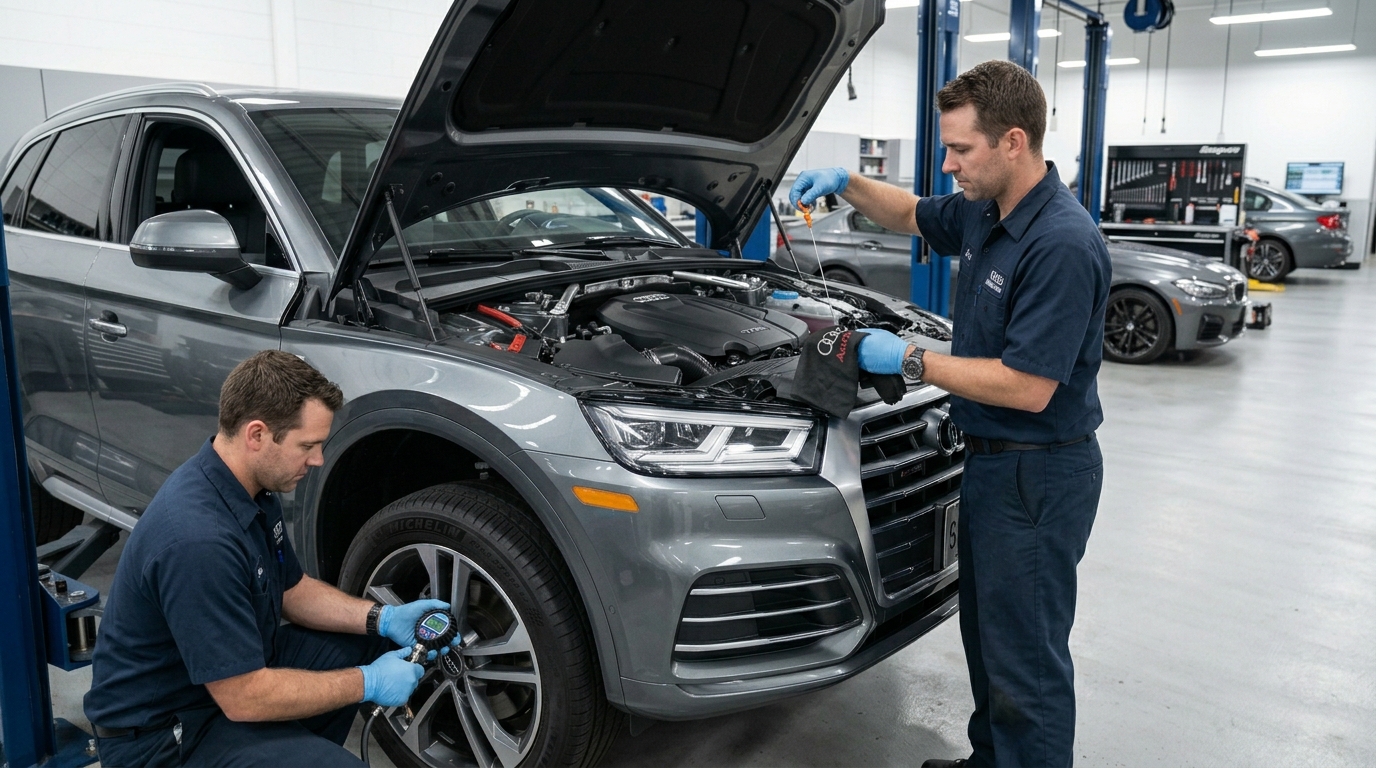
Automotive Maintenance Tips Every Car Owner Should Know are essential for keeping your vehicle safe, efficient, and long-lasting. Whether you drive daily or occasionally, proper maintenance reduces repair costs, improves fuel efficiency, and ensures your safety on the road. Many car owners neglect simple maintenance tasks, leading to expensive breakdowns that could have been avoided.
In this guide, you will learn practical and easy-to-follow maintenance tips that every driver should know. These tips are designed to be simple, effective, and suitable for beginners and experienced car owners alike.
Why Automotive Maintenance Matters
Regular vehicle maintenance is not just about keeping your car clean or running smoothly. It directly impacts performance, safety, and resale value. Ignoring small issues often leads to major mechanical failures over time.
A well-maintained car consumes less fuel, produces fewer emissions, and performs better under stress. According to NHTSA, routine inspections significantly reduce the risk of road accidents caused by mechanical failures.
Essential Routine Maintenance Checklist
Every car owner should follow a basic maintenance checklist to ensure their vehicle remains in top condition.
1. Oil and Filter Changes
Engine oil lubricates moving parts and prevents overheating. Changing oil regularly ensures smooth engine performance and prevents long-term damage.
2. Tire Pressure and Rotation
Incorrect tire pressure can affect fuel efficiency and safety. Rotate your tires every 5,000–7,000 miles to ensure even wear.
3. Battery Health
Check your battery terminals for corrosion and ensure it holds a proper charge, especially before long trips.
4. Brake Inspection
Brake pads should be inspected regularly. Squeaking sounds or reduced responsiveness indicate immediate attention is needed.
Engine Care Tips
Your engine is the heart of your vehicle. Proper care ensures long-term performance and prevents costly repairs.
Always check engine oil levels and top up when necessary. Avoid driving with a low oil level as it increases friction and damage.
Replace air filters regularly to maintain airflow efficiency. A clean filter improves acceleration and fuel economy.
Keep an eye on the check engine light. Ignoring it can lead to severe mechanical issues.
Tire Maintenance and Safety
Tires are your only contact with the road, making their condition extremely important for safety.
Check tire pressure at least once a month. Underinflated tires reduce mileage and increase the risk of blowouts.
Look for uneven tread wear. It may indicate alignment or suspension issues.
Replace tires when tread depth becomes too low to maintain proper grip, especially in wet or icy conditions.
Brake System Health
The braking system is one of the most critical safety components of your vehicle. Poor maintenance can lead to accidents.
Listen for squealing or grinding sounds. These are early signs that brake pads need replacement.
Check brake fluid levels regularly. Low fluid can reduce braking efficiency and response time.
If your car vibrates while braking, it may indicate warped rotors that require immediate inspection.
Fluids and Filters Maintenance
Your car relies on multiple fluids to function efficiently. Neglecting them can cause overheating or system failure.
Key fluids include engine oil, coolant, brake fluid, transmission fluid, and windshield washer fluid. Each plays a vital role in vehicle performance.
Replace air and fuel filters periodically. Clean filters ensure better combustion and improved fuel efficiency.
Seasonal Automotive Maintenance Tips Every Car Owner Should Know
Different seasons bring different challenges for your vehicle. Preparing your car accordingly helps avoid unexpected issues.
Winter Maintenance
Check antifreeze levels and ensure your battery is strong enough to handle cold weather.
Summer Maintenance
Inspect your cooling system and ensure your air conditioning works properly to prevent overheating.
Rainy Season Tips
Ensure windshield wipers are in good condition and tires have proper tread for better grip on wet roads.
Common Mistakes Car Owners Make
Many drivers unintentionally shorten their vehicle’s lifespan by ignoring simple maintenance practices.
Some common mistakes include skipping oil changes, ignoring dashboard warning lights, and using low-quality fuel or parts.
Another mistake is delaying small repairs. Minor issues often escalate into expensive problems if not addressed early.
Cost-Saving Strategies for Car Owners
Maintaining a vehicle does not have to be expensive. Smart planning can significantly reduce long-term costs.
Following a preventive maintenance schedule is more cost-effective than paying for major repairs. Always invest in quality parts to avoid frequent replacements.
Interestingly, many automotive enthusiasts turn their knowledge into a online business by creating blogs or websites about vehicle care. Through affiliate marketing, they promote tools, oils, and accessories and earn commissions.
Some even compare affiliate vs dropshipping models when monetizing their automotive content. While dropshipping business involves selling physical products without inventory, affiliate marketing focuses on earning commissions from referrals. Both can generate passive income if done correctly.
If you’re interested in turning your knowledge into income, explore platforms that support dropshipping business setups or affiliate networks like Amazon Associates.
Final Thoughts
Following these Automotive Maintenance Tips Every Car Owner Should Know will help you extend your vehicle’s lifespan, improve safety, and save money on repairs. Regular maintenance is not optional—it is a responsibility that ensures smooth and safe driving experiences.
Start small, stay consistent, and treat your car with care. Over time, these habits will significantly improve performance and reliability.
