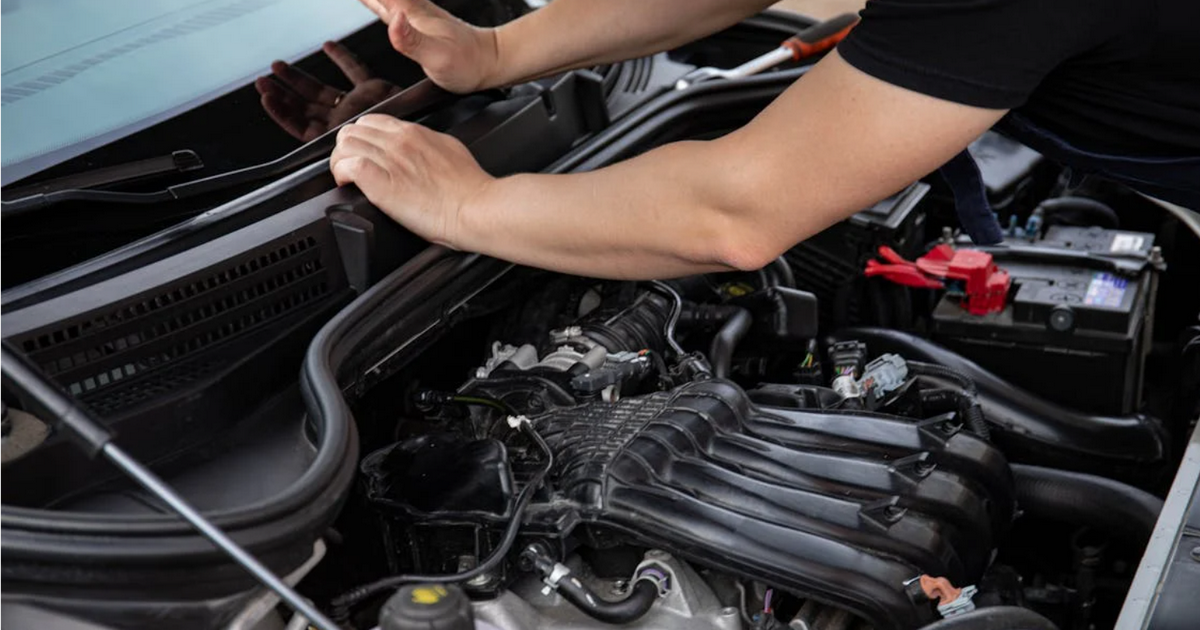
Unexpected car trouble can be stressful and expensive. However, learning how to diagnose common car problems before visiting a mechanic can save you time, money, and frustration. Many vehicle issues show early warning signs that drivers often ignore. By understanding these signals, you can decide whether the problem is minor or requires professional attention.
This guide explains how to identify common car issues using simple observations. You do not need advanced tools or mechanical expertise. With a little awareness, you can communicate clearly with your mechanic and avoid unnecessary repairs.
For more beginner-friendly maintenance tips, check our car maintenance basics guide.
Why Diagnosing Car Problems Early Matters
Early diagnosis helps prevent small issues from becoming costly repairs. It also improves safety and extends vehicle lifespan. When you recognize problems early, you gain control over repair decisions.
Drivers who understand common car problems often avoid being overcharged. Knowledge empowers you during mechanic visits and builds confidence in car ownership.
Warning Lights You Should Never Ignore
Your dashboard is your car’s communication center. Warning lights alert you to issues that require attention.
Check Engine Light
The check engine light can indicate minor or serious problems. A loose gas cap may trigger it, but it could also signal engine misfires or sensor failures.
If the light is steady, drive cautiously and schedule a check. If it flashes, stop driving immediately. Learn more about engine indicators from dashboard warning lights explained.
Battery and Oil Warning Lights
A battery light may point to charging system issues. An oil warning light signals low oil pressure, which can cause severe engine damage.
Always check oil levels and battery connections before driving further.
Unusual Noises and What They Mean
Your car often speaks through sound. Identifying these noises helps diagnose problems early.
Squealing or Grinding Brakes
Squealing brakes usually mean worn brake pads. Grinding noises often indicate metal-on-metal contact, which requires immediate repair.
Brake issues should never be ignored, as they directly affect safety.
Knocking or Ticking Engine Sounds
Knocking sounds may suggest low-quality fuel or engine wear. Ticking noises can indicate low oil levels or valve issues.
Checking oil regularly can prevent many engine-related problems.
Strange Smells Coming from Your Car
Smells provide important clues about vehicle health.
Burning Smell
A burning smell may come from overheated brakes, slipping belts, or leaking fluids. Stop driving and inspect the engine bay if safe.
Sweet or Rotten Egg Smell
A sweet smell often indicates coolant leaks. A rotten egg odor may point to catalytic converter issues.
For in-depth emission system details, see car smells you should not ignore.
Performance Issues While Driving
Changes in driving behavior are strong indicators of underlying problems.
Difficulty Starting the Car
Slow cranking or clicking sounds often signal battery or starter motor problems. Cold weather can worsen weak batteries.
Regular battery testing can prevent sudden breakdowns.
Poor Acceleration or Stalling
Loss of power may be caused by clogged fuel filters, failing spark plugs, or sensor issues. Stalling at idle is another sign of fuel or airflow problems.
Explore related tips in our engine performance troubleshooting guide.
Fluid Leaks and What They Tell You
Spotting fluid leaks early can prevent major repairs.
Oil Leaks
Dark brown or black puddles usually indicate oil leaks. Low oil levels can cause engine damage if ignored.
Coolant and Transmission Fluid
Green or orange fluid often signals coolant leaks. Red or pink fluid may be transmission fluid.
According to common car fluid leaks explained, early leak detection reduces repair costs significantly.
Vibrations and Steering Problems
Vibrations are often early warning signs.
Steering Wheel Vibrations
Vibrations while driving may indicate unbalanced tires, alignment issues, or suspension problems.
Pulling to One Side
If your car pulls left or right, it may need wheel alignment or have uneven tire pressure.
Regular tire maintenance improves safety and fuel efficiency.
Overheating and Temperature Issues
An overheating engine should never be ignored.
High Temperature Gauge
If the temperature gauge rises quickly, stop driving. Overheating can damage the engine permanently.
Common causes include coolant leaks, radiator issues, or a faulty thermostat.
Electrical Problems Inside the Car
Modern vehicles rely heavily on electrical systems.
Malfunctioning Lights and Accessories
Flickering lights or failing power windows may indicate wiring problems or alternator issues.
Electrical issues often worsen over time if untreated.
How to Communicate Effectively with a Mechanic
Once you identify symptoms, explain them clearly to your mechanic. Mention when the problem started and under what conditions it occurs.
This approach saves diagnostic time and helps avoid unnecessary repairs.
When You Should Visit a Mechanic Immediately
Some issues require immediate professional attention.
- Flashing check engine light
- Brake failure or grinding sounds
- Severe overheating
- Loss of steering control
Ignoring these signs can compromise safety.
Final Thoughts
Learning how to diagnose common car problems before visiting a mechanic is a valuable skill for every driver. Simple observations can reveal a lot about your vehicle’s condition.
By recognizing early warning signs, you protect your investment and make informed repair decisions. Pair these insights with routine maintenance, and your car will serve you reliably for years.
For more helpful guides, visit our vehicle care tips section.
