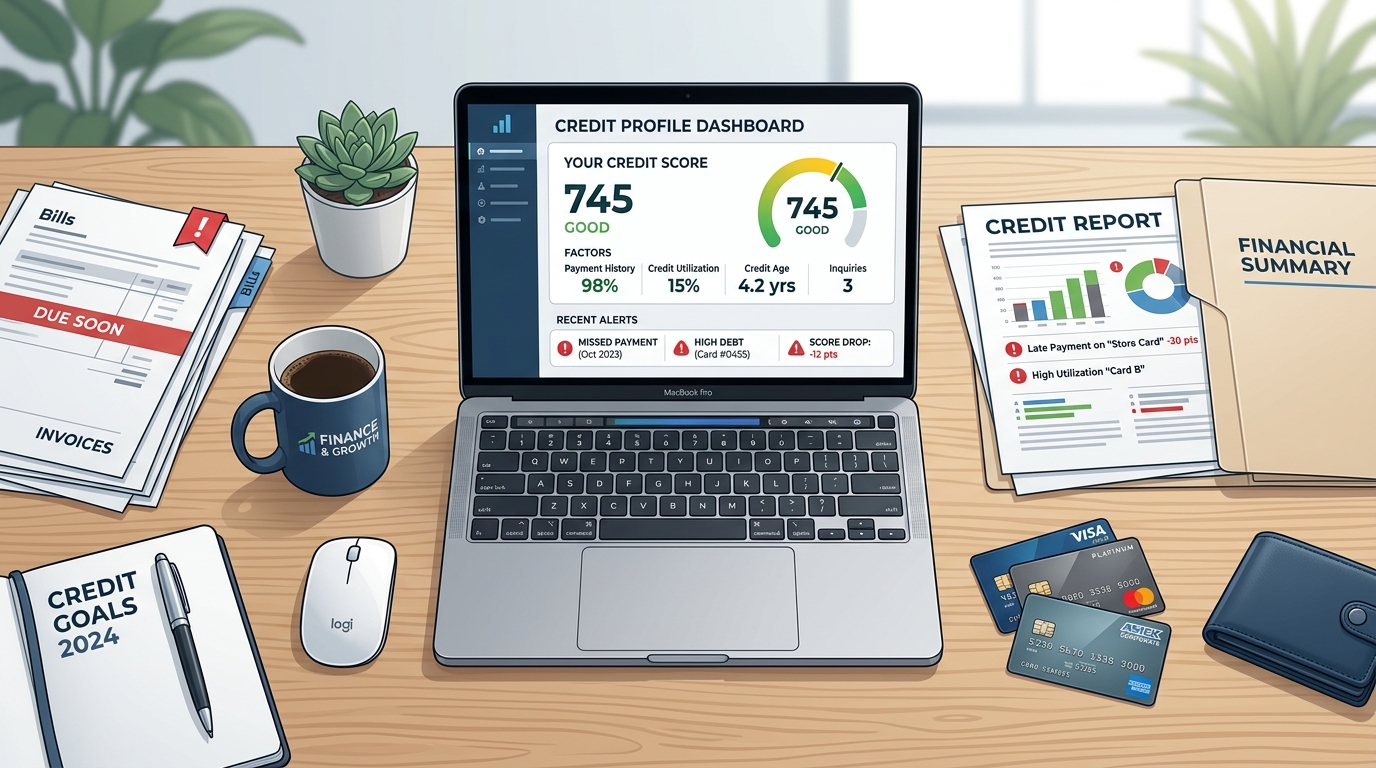
Understanding the Common Credit Mistakes That Are Lowering Your Score is essential if you want to improve your financial health, qualify for better loans, and access lower interest rates. Many people assume their credit score drops only because of missed payments, but in reality, there are several hidden habits that quietly damage credit over time.
In this guide, we will break down the most damaging credit mistakes, explain how they affect your score, and show you practical steps to fix them. Whether you are building credit for the first time or recovering from past financial decisions, this article will help you take control of your financial future.
What Your Credit Score Really Depends On
Your credit score is calculated based on several key factors, including payment history, credit utilization, length of credit history, new credit inquiries, and credit mix. Even small missteps in any of these areas can lead to long-term damage.
Lenders use your score to decide how risky you are as a borrower. A lower score often results in higher interest rates or loan rejection. That is why avoiding the Common Credit Mistakes That Are Lowering Your Score is so important.
1. Missing or Late Payments
Payment history makes up the largest portion of your credit score. Even one late payment can significantly reduce your score and stay on your credit report for years.
Late payments signal to lenders that you may struggle with financial responsibility. To avoid this, set up automatic payments or reminders. Consistency is key to maintaining strong credit health.
2. High Credit Utilization
Credit utilization refers to how much of your available credit you are using. If you are consistently using more than 30% of your credit limit, your score may drop.
For example, if your credit limit is $10,000 and you are using $8,000, lenders may view you as financially overextended. Paying down balances and spreading spending across multiple cards can help reduce this risk.
3. Closing Old Credit Accounts
Many people think closing unused credit cards improves their financial profile, but it can actually hurt your score. Closing old accounts reduces your credit history length and total available credit.
Instead of closing accounts, consider keeping them open with small, occasional purchases. This helps maintain a healthy credit age and utilization ratio.
4. Applying for Too Much Credit at Once
Every time you apply for new credit, a hard inquiry is recorded on your report. Too many inquiries in a short period can lower your score and signal financial stress.
Space out credit applications and only apply when necessary. Responsible credit behavior helps protect your long-term financial profile.
5. Ignoring Your Credit Report
One of the most overlooked Common Credit Mistakes That Are Lowering Your Score is not checking your credit report regularly. Errors, fraud, or outdated information can negatively affect your score.
You are entitled to a free credit report annually from major bureaus. You can access it through official platforms like AnnualCreditReport.com.
Review your report carefully and dispute any inaccuracies immediately.
6. Carrying Balances Instead of Paying in Full
Some people believe carrying a balance improves credit, but this is a myth. Interest charges accumulate, and high balances increase your credit utilization.
Whenever possible, pay off your credit card in full each month. This shows lenders that you manage credit responsibly without relying on debt.
7. Co-Signing Without Understanding the Risk
Co-signing a loan makes you equally responsible for repayment. If the primary borrower misses payments, your credit score will suffer.
Only co-sign when you fully trust the borrower’s financial behavior. Otherwise, you may face unexpected damage to your credit profile.
8. Having a Poor Credit Mix
A healthy credit profile includes a mix of credit types such as credit cards, installment loans, and mortgages. Relying on only one type of credit may limit your score potential.
Diversifying your credit responsibly can strengthen your financial profile over time.
Credit Habits for Online Earners and Entrepreneurs
If you run a digital venture, your credit behavior can directly impact your ability to scale your business. Many people involved in affiliate marketing, online business, or a dropshipping business often overlook credit management while focusing on growth.
However, strong credit is essential for securing funding, business credit cards, and investment opportunities. Entrepreneurs exploring affiliate vs dropshipping models or building passive income streams must maintain strong personal and business credit profiles.
For example, separating personal and business expenses helps maintain clarity and improves financial credibility. Whether you are scaling an affiliate marketing strategy or growing a dropshipping business, good credit practices support long-term stability.
Learn more about financial planning for entrepreneurs at Investopedia or explore budgeting strategies at Consumer Finance.
How to Fix Credit Mistakes Quickly
If you have already made some of these mistakes, don’t worry. Credit recovery is possible with consistent effort.
Step 1: Pay Down High Balances
Focus on reducing credit utilization below 30%, then aim for below 10% for optimal results.
Step 2: Set Up Automatic Payments
This ensures you never miss due dates and protects your payment history.
Step 3: Dispute Credit Report Errors
Remove inaccurate negative marks by filing disputes with credit bureaus.
Step 4: Avoid New Hard Inquiries
Limit unnecessary credit applications while rebuilding your score.
Tools to Monitor Your Credit
Staying informed is one of the best ways to avoid repeating the Common Credit Mistakes That Are Lowering Your Score. Many free and paid tools can help you track your credit health.
Popular platforms include Credit Karma, Experian, and Equifax monitoring tools. These services provide alerts, score updates, and personalized recommendations.
Why Credit Health Matters More Than Ever
In today’s financial system, your credit score affects more than just loans. It can influence rental applications, insurance premiums, and even job opportunities in some cases.
Maintaining good credit is not just about borrowing money—it is about financial freedom and long-term security.
Conclusion
Understanding and avoiding the Common Credit Mistakes That Are Lowering Your Score is the first step toward financial stability. Small habits like paying bills on time, keeping balances low, and monitoring your credit report can make a significant difference over time.
Whether you are managing personal finances or building an online business, strong credit supports your goals. With discipline and awareness, you can improve your credit score and unlock better financial opportunities.
Start today by reviewing your credit report and correcting any mistakes. Your financial future depends on the actions you take now.
