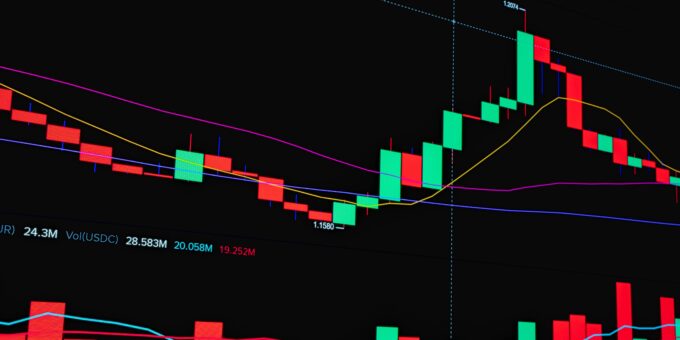
Investment risk management in 2026 is more important than ever for beginners who want to build wealth without taking unnecessary risks. Investing can help your money grow over time. However, every investment carries some level of risk.
The goal is not to eliminate investment risk completely. That is usually impossible. Instead, smart investors learn how to identify, measure, and manage risk while staying focused on long-term financial goals.
Whether you are considering stocks, ETFs, bonds, real estate, or other assets, a clear risk management strategy can help protect your capital. It can also make it easier to stay invested when markets become volatile.
What Is Investment Risk Management?
Investment risk management is the process of identifying potential losses and using strategies to reduce their impact. It involves understanding your financial goals, investment timeline, risk tolerance, and asset allocation.
For example, a beginner with a long investment horizon may be comfortable with more stock market exposure. Someone who needs the money within a few years may need a more conservative portfolio.
Effective investment risk management in 2026 combines diversification, asset allocation, regular portfolio reviews, emergency savings, and disciplined decision-making.
Why Investment Risk Management Matters in 2026
Financial markets can change quickly. Interest rates, inflation, economic growth, company earnings, geopolitical events, and investor sentiment can all affect asset prices.
Technology has also made investing easier. Beginners can now buy stocks, ETFs, and other investments through online platforms with just a few clicks. However, easier access can sometimes encourage emotional or impulsive decisions.
A risk management plan creates a framework before emotions take over. Instead of reacting to every market movement, you can follow a strategy based on your goals.
Understand Your Investment Risk Tolerance
One of the first steps in investment risk management is understanding your risk tolerance. Risk tolerance describes how much market loss you can financially and emotionally handle.
Financial Risk Capacity
Your financial capacity depends on your income, savings, debt, emergency fund, investment timeline, and financial responsibilities.
Someone with stable income and a large emergency fund may have more capacity to accept temporary investment losses than someone living paycheck to paycheck.
Emotional Risk Tolerance
Your emotional response also matters. Imagine your portfolio falls by 20%. Would you panic and sell everything?
If the answer is yes, a highly aggressive portfolio may not be appropriate. A portfolio that matches your risk tolerance can make it easier to stay invested during market downturns.
Build an Emergency Fund Before Taking Investment Risk
An emergency fund is an important part of investment risk management. It provides cash for unexpected expenses without forcing you to sell investments at an unfavorable time.
Many investors aim to keep several months of essential expenses in an accessible savings account. The appropriate amount depends on income stability, household expenses, and personal circumstances.
Keeping emergency savings separate from long-term investments can reduce financial pressure during market corrections.
Use Asset Allocation to Control Portfolio Risk
Asset allocation determines how your money is divided among different investment categories. Common asset classes include stocks, bonds, cash, real estate, and other investments.
Stocks can provide strong long-term growth potential but can experience significant short-term volatility. Bonds can provide income and diversification, although they also have interest-rate and credit risks.
A balanced portfolio can combine different assets based on your goals and risk profile.
Stocks
Stocks represent ownership in companies. They can offer significant long-term growth potential, but prices can fall sharply during market downturns.
Bonds
Bonds are debt investments issued by governments, municipalities, or companies. They can provide interest income and may reduce portfolio volatility, depending on the type and duration.
Cash and Cash Equivalents
Cash and cash-like investments can provide stability and liquidity. However, inflation can reduce purchasing power when cash earns less than the inflation rate.
Diversification Is a Core Risk Management Strategy
Diversification means spreading investments across different assets, industries, companies, regions, or investment types.
For example, investing all your money in one company creates concentration risk. If that company performs poorly, your entire portfolio can suffer.
By contrast, a diversified portfolio may include broad-market ETFs, bonds, international investments, and other assets.
Diversification does not guarantee profits. It also cannot eliminate losses. However, it can reduce the damage caused by poor performance in one particular investment.
Consider Low-Cost ETFs for Beginner Investing
Exchange-traded funds can be useful for beginners because many ETFs provide exposure to a large group of investments through one fund.
Instead of researching and buying dozens of individual companies, an investor can use a diversified fund to gain broad market exposure.
Before buying an ETF, review its expense ratio, holdings, investment strategy, liquidity, tracking method, and historical behavior. Past performance should not be treated as a guarantee of future results.
For additional investor education, beginners can review resources from the U.S. Securities and Exchange Commission’s Investor.gov.
Manage Risk Through Position Sizing
Position sizing refers to how much of your portfolio is allocated to a particular investment.
A common mistake is allowing one investment to become too large relative to the rest of the portfolio. Even if the investment initially performs well, concentration can create substantial downside risk.
Setting allocation limits can help prevent a single stock, sector, or speculative investment from dominating your portfolio.
Rebalance Your Portfolio Regularly
Portfolio rebalancing means returning your investments toward your desired asset allocation.
Suppose you begin with a portfolio that contains a specific percentage of stocks and bonds. If stocks rise significantly, stocks may eventually represent a much larger percentage of the portfolio.
Rebalancing can help restore your intended risk level. Some investors review their portfolios on a schedule, while others rebalance when allocations move significantly away from their targets.
Avoid Emotional Investment Decisions
Emotional investing can increase risk. Fear may cause investors to sell after prices fall. Greed can encourage investors to buy assets after large price increases.
Both behaviors can damage long-term results.
A written investment plan can help. Define your goals, target asset allocation, contribution schedule, and conditions for making portfolio changes before market volatility arrives.
Understand the Difference Between Risk and Volatility
Volatility describes how much an investment’s price moves over time. Risk is broader. It includes the possibility of losing capital, failing to reach financial goals, facing liquidity problems, or taking risks that do not match your circumstances.
A volatile asset is not automatically a bad investment. However, excessive volatility can become a problem if you need the money during a market decline.
Your investment timeline is therefore an important part of investment risk management in 2026.
Think About Inflation Risk
Inflation can reduce the purchasing power of money over time. This creates another type of investment risk.
Keeping all your long-term wealth in cash may feel safe because the account balance does not fluctuate significantly. However, rising prices can gradually reduce what that money can buy.
Long-term investors often consider a diversified combination of growth and income-producing assets to help address inflation risk.
Use Dollar-Cost Averaging Carefully
Dollar-cost averaging involves investing a consistent amount at regular intervals rather than trying to predict the perfect time to enter the market.
For example, an investor may contribute a fixed amount from each paycheck to a diversified investment portfolio.
This approach can reduce the pressure to time the market. However, it does not guarantee profits and does not eliminate market risk.
Protect Your Investment Strategy From Lifestyle Risks
Investment decisions should be connected to your overall financial plan. High-interest debt, inadequate emergency savings, and unstable cash flow can increase the financial consequences of investment losses.
For many households, paying down expensive debt and building emergency savings may be important steps before aggressively increasing investment risk.
Your broader financial strategy can also include passive income and an online business. These income sources may diversify how you earn money, although they also carry their own risks.
Do Not Chase Guaranteed High Returns
Promises of high returns with little or no risk should receive careful scrutiny.
In general, higher potential returns come with higher potential risk. Be cautious when an investment opportunity claims to offer unusually high returns while minimizing or hiding the risks involved.
Before investing, research the investment, understand its fees, identify how returns are generated, and verify whether the provider is properly registered where applicable.
Watch Investment Fees
Fees can reduce investment returns over time. Even small annual expenses can have a meaningful effect when compounded over many years.
Review expense ratios, trading costs, account fees, advisory charges, and other expenses before choosing an investment or financial service.
Comparing investment fees can be an important part of improving long-term portfolio efficiency.
Review Your Portfolio at Least Periodically
Investment risk management should not stop after you create a portfolio.
Your financial situation can change. Income, family responsibilities, debt, retirement goals, and investment timelines may all evolve.
Review your portfolio periodically to determine whether your asset allocation and risk level still match your goals.
How Beginners Can Create a Simple Risk Management Plan
Step 1: Define Your Financial Goals
Identify what you are investing for. Examples include retirement, buying a home, education, or long-term wealth building.
Step 2: Establish an Emergency Fund
Keep sufficient accessible savings for unexpected expenses so you are less likely to sell long-term investments during a downturn.
Step 3: Determine Your Risk Profile
Consider your timeline, income stability, financial obligations, and ability to tolerate market losses.
Step 4: Choose an Asset Allocation
Build a diversified mix of investments that matches your objectives and risk tolerance.
Step 5: Keep Costs Under Control
Compare fees and avoid paying for services or products that do not provide meaningful value.
Step 6: Automate Contributions
Regular contributions can help create investing discipline and reduce the temptation to make emotional timing decisions.
Step 7: Rebalance When Necessary
Review your portfolio and make adjustments when your asset allocation moves materially away from your target.
Investment Risk Management and Multiple Income Streams
Managing investment risk is only one part of building financial resilience. Increasing and diversifying income can also strengthen your financial position.
Some people explore affiliate marketing, digital products, freelancing, or a dropshipping business to create additional income.
However, these opportunities should also be evaluated carefully. For example, understanding affiliate vs dropshipping can help entrepreneurs compare startup costs, operating requirements, margins, and scalability before choosing an online business model.
The key principle is diversification. Do not depend entirely on one investment, one income source, or one financial strategy.
Common Investment Risk Management Mistakes
Beginners often make avoidable mistakes. One is investing money they may need soon. Another is concentrating too much money in one asset.
Other mistakes include ignoring fees, chasing recent winners, constantly trading, following social media tips without research, and selling investments purely because of short-term market fear.
A disciplined approach can reduce these problems and support better long-term decision-making.
Final Thoughts on Investment Risk Management in 2026
Investment risk management in 2026 is about creating a practical system that protects your financial future while allowing your money to grow.
Beginners do not need to predict every market movement. They need a process. Build an emergency fund, understand your risk tolerance, diversify your investments, control fees, use sensible asset allocation, and review your portfolio periodically.
Most importantly, focus on the long term. Successful investing is rarely about finding one perfect investment. It is about making consistent, informed decisions while managing the risks you can control.
For additional investing and financial education, visit Investor.gov and review educational resources from the FINRA Investor Education Foundation.
This article is for educational purposes only and does not constitute financial, investment, tax, or legal advice. Investment values can rise or fall, and you may lose money.
