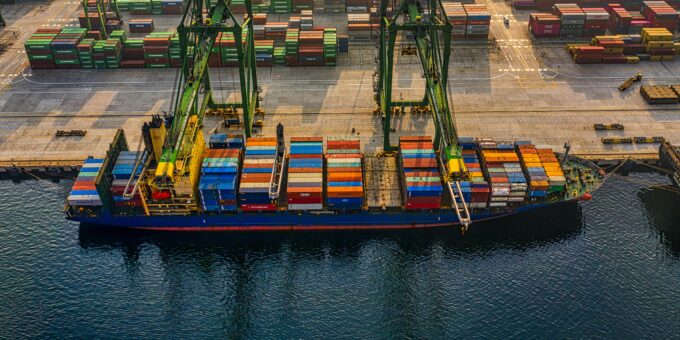
The Import-Export & Supply Chain Management Guide for Global Business Success is essential for entrepreneurs, logistics professionals, and companies aiming to scale internationally. In today’s interconnected economy, global trade is no longer optional—it is a core driver of growth, competitiveness, and long-term profitability.
This guide explains how import-export operations work, how modern supply chains function, and how businesses can optimize logistics for efficiency and higher profit margins. Whether you are building an online business, expanding a manufacturing company, or entering global trade for the first time, understanding supply chain systems is critical for success.
What is Import-Export & Supply Chain Management?
Import-export management refers to the process of buying and selling goods across international borders. It involves regulations, customs clearance, shipping, documentation, and trade compliance. Meanwhile, supply chain management focuses on the entire flow of goods—from raw materials to final delivery to customers.
Together, these systems form the backbone of global commerce. Organizations such as the World Trade Organization and the World Bank support international trade policies that shape how supply chains operate globally.
Why Import-Export & Supply Chain Management Matters for Global Business
Efficient supply chains reduce costs, improve delivery speed, and enhance customer satisfaction. In competitive markets, businesses with optimized logistics outperform those with weak operational systems.
Key benefits include:
- Lower transportation and storage costs
- Faster global delivery times
- Improved product availability
- Better risk management and compliance
For companies involved in affiliate marketing, dropshipping business, or passive income models, supply chain knowledge is crucial for scaling operations efficiently.
Core Components of Supply Chain Management
1. Procurement and Sourcing
This stage involves selecting suppliers and acquiring raw materials. Businesses must evaluate quality, pricing, and reliability to ensure smooth production cycles.
2. Manufacturing and Production
Raw materials are converted into finished goods. Efficiency in production reduces waste and increases profitability.
3. Logistics and Transportation
This includes shipping, warehousing, and distribution. Global logistics companies like DHL and FedEx play a major role in international trade.
4. Distribution and Delivery
Products are delivered to wholesalers, retailers, or end customers. Speed and accuracy are key performance indicators in this stage.
Step-by-Step Import-Export Process
The import-export process follows structured steps that ensure legal and efficient global trade operations.
Step 1: Market Research
Businesses analyze demand, competition, and pricing in international markets before entering trade.
Step 2: Supplier and Buyer Identification
Finding reliable partners is essential for long-term success in global trade.
Step 3: Documentation and Compliance
Important documents include invoices, packing lists, certificates of origin, and customs declarations.
Step 4: Shipping and Logistics
Goods are transported via air, sea, or land depending on cost and urgency.
Step 5: Customs Clearance
Government authorities inspect goods and approve entry or exit based on regulations.
Technology in Modern Supply Chain Management
Technology is transforming global logistics. Automation, AI, and blockchain are improving transparency and efficiency.
Key innovations include:
- AI-driven demand forecasting
- Blockchain-based tracking systems
- IoT-enabled smart warehouses
- Real-time shipment tracking platforms
These technologies help businesses reduce delays and improve decision-making across global supply networks.
Risk Management in Global Trade
International trade involves risks such as currency fluctuations, political instability, and shipping delays. Effective risk management ensures business continuity.
Common strategies include insurance coverage, diversified suppliers, and hedging financial risks.
Supply Chain Strategies for Business Growth
Successful companies use strategic planning to optimize global operations. Key strategies include:
- Just-in-Time inventory management
- Supplier diversification
- Cost optimization in logistics
- Digital transformation of operations
Businesses involved in online business models often integrate supply chain strategies to improve profitability and scalability.
Import-Export and Digital Business Models
Modern entrepreneurs combine traditional trade with digital income models. For example, affiliate marketing and dropshipping business systems rely heavily on supply chain efficiency.
In a dropshipping model, sellers do not store inventory. Instead, products are shipped directly from suppliers to customers. This reduces overhead and supports passive income generation.
Comparing affiliate vs dropshipping, affiliate marketing focuses on earning commissions by promoting products, while dropshipping involves managing product sales without physical inventory. Both depend on reliable logistics and supplier networks.
Common Challenges in Supply Chain Management
Despite its advantages, global trade presents challenges:
- Customs delays and regulatory issues
- High transportation costs
- Supply chain disruptions
- Inventory mismanagement
Companies that proactively address these challenges gain a competitive advantage in international markets.
Best Practices for Import-Export Success
To build a successful global trade business, companies should follow these best practices:
- Maintain accurate documentation
- Use reliable logistics partners
- Invest in supply chain technology
- Understand international trade laws
- Continuously analyze market trends
By implementing these strategies, businesses can strengthen their position in global markets and achieve long-term stability.
Future of Global Supply Chain Management
The future of supply chain management is digital, automated, and highly interconnected. Artificial intelligence, robotics, and predictive analytics will continue to transform the industry.
Businesses that adapt early will benefit from lower costs, faster operations, and improved global reach.
Conclusion
The Import-Export & Supply Chain Management Guide for Global Business Success highlights the importance of logistics, trade compliance, and strategic planning in modern global business.
Whether you are running a manufacturing company, building an online business, or exploring affiliate marketing or dropshipping business opportunities, mastering supply chain systems is essential for sustainable growth.
Global trade continues to evolve, and businesses that invest in knowledge, technology, and strategic partnerships will lead the future of international commerce.
