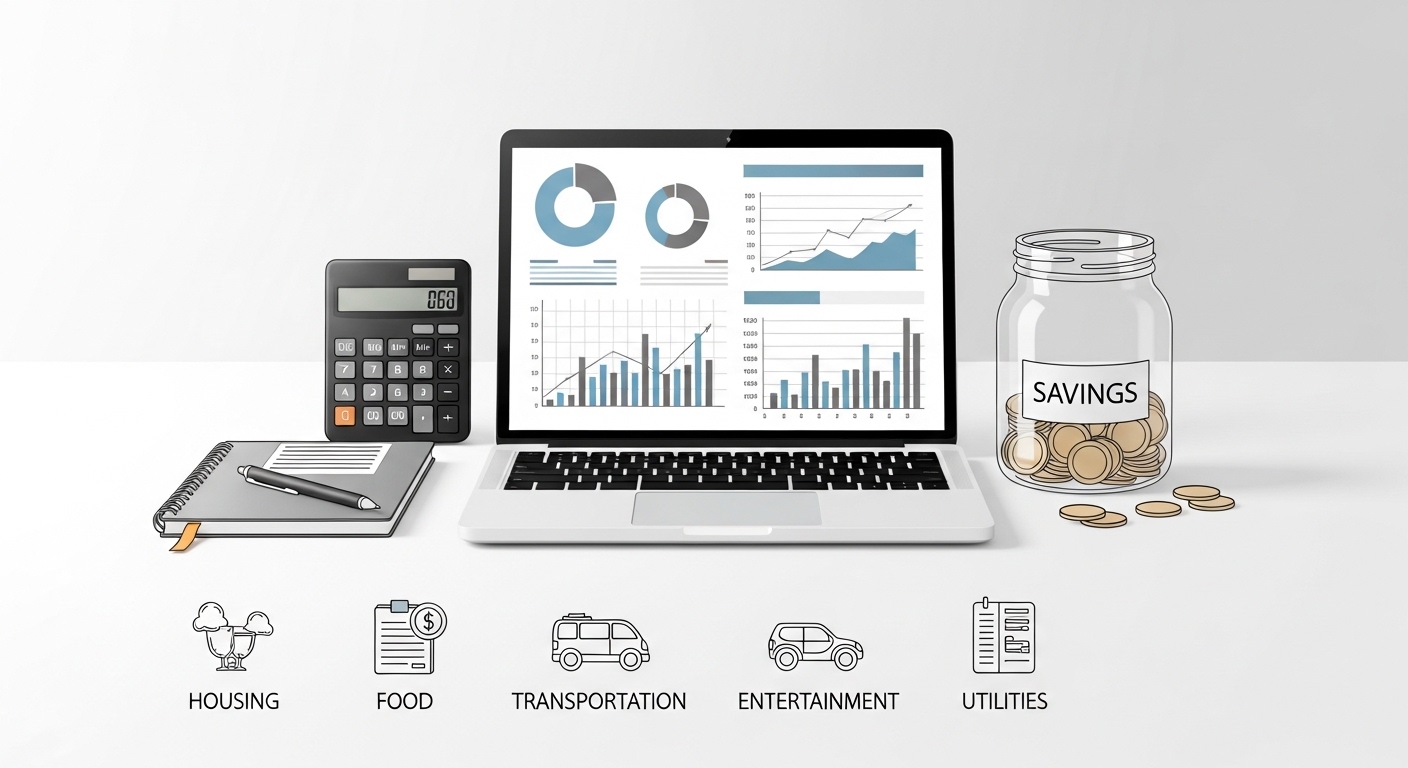
Learning how to use budgeting strategies to cut expenses and increase savings quickly is one of the most powerful steps toward financial freedom. Whether you are struggling to make ends meet or simply want to build wealth faster, the right budgeting approach can transform your finances in a short time.
This guide will walk you through proven strategies that help you reduce unnecessary spending, optimize your income, and grow your savings efficiently.
Why Budgeting Strategies Matter for Financial Growth
Budgeting is more than tracking your money. It is about controlling where your money goes. Without a clear plan, expenses can quickly spiral out of control.
Effective budgeting strategies allow you to:
- Identify wasteful spending
- Prioritize essential expenses
- Increase your savings rate
- Build long-term passive income streams
When you apply the right system, you can start seeing results within weeks.
Step 1: Track Every Expense Accurately
The first step in learning how to use budgeting strategies to cut expenses and increase savings quickly is awareness. You need to know exactly where your money is going.
How to Do It
Track all your expenses for at least 30 days. Use apps, spreadsheets, or even a notebook. Categorize your spending into:
- Housing
- Food
- Transportation
- Subscriptions
- Entertainment
This step often reveals surprising spending patterns. Many people discover they waste money on small, recurring expenses.
Step 2: Apply the 50/30/20 Budget Rule
One of the most effective budgeting strategies is the 50/30/20 rule. It simplifies your financial planning.
Breakdown
- 50% for needs (rent, food, bills)
- 30% for wants (entertainment, dining)
- 20% for savings and investments
If your goal is faster savings, adjust it to 50/20/30 or even 40/20/40. Increasing the savings portion accelerates your financial growth.
Step 3: Eliminate Unnecessary Subscriptions
Subscriptions are silent budget killers. Streaming services, apps, and memberships add up quickly.
Cancel anything you do not use regularly. Even saving $10–$50 per month can significantly boost your savings over time.
Redirect that money into savings or investments to build passive income.
Step 4: Use the Zero-Based Budget Method
A zero-based budget means every dollar has a purpose. Your income minus expenses equals zero.
Why It Works
This method forces you to assign money to:
- Expenses
- Savings
- Investments
There is no room for waste. Every dollar is working for you.
Step 5: Cut Major Expenses Strategically
While small cuts help, major expenses offer the biggest savings opportunities.
Focus Areas
- Housing: Consider downsizing or renegotiating rent
- Transportation: Use public transit or carpool
- Food: Cook at home more often
These changes can save hundreds of dollars monthly.
Step 6: Increase Income Alongside Budgeting
Cutting expenses is only half the equation. Increasing income speeds up your results.
Consider building an online business or side hustle. Popular options include:
- affiliate marketing
- Freelancing
- Content creation
- Selling digital products
Understanding affiliate vs dropshipping can help you choose the best path. Both are scalable models that can generate additional income.
Learn more about online income strategies at
this guide on making money online.
Step 7: Automate Your Savings
Automation removes the temptation to spend. Set up automatic transfers to your savings account right after payday.
This ensures consistency and builds your savings quickly.
Even small automatic contributions grow significantly over time.
Step 8: Use Cash-Only Spending for Control
If you struggle with overspending, switch to a cash-only system for certain categories.
How It Helps
Using cash creates a psychological limit. Once the cash is gone, spending stops.
This method is especially effective for:
- Groceries
- Dining out
- Entertainment
Step 9: Set Clear Financial Goals
Goals give your budget purpose. Without them, it is easy to lose motivation.
Examples of Goals
- Save $1,000 emergency fund
- Pay off debt within 12 months
- Invest for long-term passive income
Break large goals into smaller milestones. This makes progress measurable and motivating.
Step 10: Review and Adjust Monthly
Your budget is not fixed. It should evolve with your lifestyle and income.
At the end of each month:
- Review spending
- Identify areas to improve
- Adjust categories
This habit keeps your finances on track.
Best Tools to Improve Budgeting Efficiency
Using tools can simplify your budgeting process. Consider these options:
- Budgeting apps like Mint or YNAB
- Spreadsheets for customization
- Bank alerts for spending tracking
You can also explore financial planning tips at
Investopedia.
Common Budgeting Mistakes to Avoid
Even the best strategies fail if you make these mistakes:
1. Not Tracking Expenses
Ignoring small expenses leads to budget leaks.
2. Setting Unrealistic Limits
Overly strict budgets are hard to maintain.
3. Forgetting Emergency Funds
Unexpected expenses can derail your progress.
4. Not Increasing Income
Relying only on cutting costs limits growth.
Combining budgeting with income generation, such as a dropshipping business, can accelerate financial success.
How Budgeting Leads to Financial Freedom
When you consistently apply how to use budgeting strategies to cut expenses and increase savings quickly, you build strong financial habits.
Over time, these habits help you:
- Eliminate debt
- Build savings
- Create multiple income streams
- Achieve financial independence
The key is consistency. Small daily decisions lead to big long-term results.
Final Thoughts
Mastering how to use budgeting strategies to cut expenses and increase savings quickly does not require complex tools or advanced knowledge. It requires discipline, awareness, and smart decisions.
Start by tracking your expenses. Then apply proven methods like the 50/30/20 rule, zero-based budgeting, and automation. Combine these strategies with income growth through an online business or affiliate marketing.
The faster you take action, the sooner you will see results. Your financial future depends on the decisions you make today.
