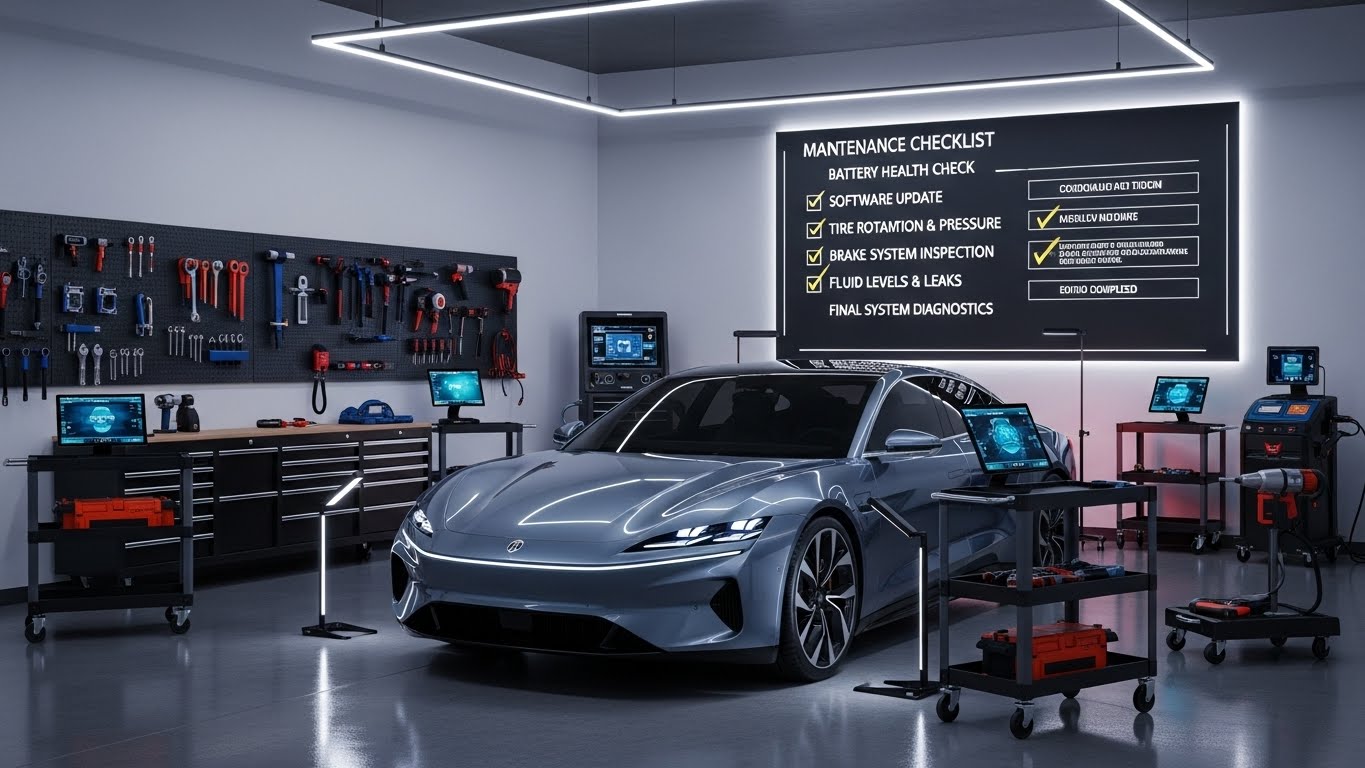
The world of vehicle care is changing quickly. New technologies, updated safety standards, and modern driving habits are shaping the way drivers maintain their cars. This Car Maintenance Checklist 2025 will help you protect your vehicle, reduce repair costs, and keep it running like new. Regular maintenance is essential for long-term performance. This guide makes the process simple, clear, and easy to follow.
Why the Car Maintenance Checklist 2025 Matters
Cars in 2025 use advanced sensors, hybrid systems, and smarter onboard diagnostics. Ignoring basic maintenance can lead to expensive issues. Many drivers delay routine care. This often results in breakdowns and poor fuel efficiency. A clear checklist helps you avoid unnecessary expenses and stay safe. It also supports long-term vehicle value.
Whether you run an online business or have a busy daily commute, taking the time to follow this guide will save you money. Consistent car maintenance gives you peace of mind and fewer surprises on the road.
1. Regular Oil and Filter Changes
Oil is the lifeblood of your engine. Changing it on time keeps parts lubricated and prevents wear. Most vehicles in 2025 recommend synthetic oil due to better performance. Check your manual for specific intervals. Many hybrid and modern engines now stretch intervals beyond 10,000 miles. Still, driving conditions matter. Short trips, hot climates, or heavy loads require more frequent changes.
Do not forget the oil filter. A clean filter improves circulation and reduces sludge. When reviewing your Car Maintenance Checklist 2025, always include oil and filter inspection as a top priority.
2. Tire Pressure and Rotation
Proper tire pressure improves safety and fuel economy. Low pressure increases wear and decreases handling performance. New cars include built-in tire pressure monitoring systems, but you should still check manually once a month. Temperature changes can affect PSI levels. Keep them within the recommended range listed inside your driver-side door.
Rotation is also important. Most manufacturers recommend rotating tires every 5,000 to 7,000 miles. This creates even wear and extends tire life. Proper tire care helps avoid costly replacements and keeps your ride smooth. Regular tire attention belongs at the top of the Car Maintenance Checklist 2025.
3. Brake System Inspection
Brakes are one of the most important safety components. Many vehicles now use regenerative braking, but the basic system still includes pads, rotors, and fluid. Listen for squeaking or grinding. These sounds often mean the pads are worn. Vibrations or longer stopping distances may signal rotor issues.
Brake fluid should also be checked. Over time, it absorbs moisture and becomes less effective. Most automakers suggest replacing it every two to three years. Proper brake care keeps your vehicle safe on the road.
4. Battery Health and Charging Systems
Advanced vehicles in 2025 rely heavily on electronics. A weak battery can affect everything from the infotainment system to engine sensors. Hybrid vehicles also depend on high-voltage battery packs. Check the traditional 12-volt battery at least twice a year. Look for corrosion and slow cranking.
Have the charging system inspected during annual service. This includes the alternator and voltage regulator. When a battery fails, it often shows subtle warning signs first. Adding battery checks to your Car Maintenance Checklist 2025 prevents roadside issues and helps you avoid costly electrical repairs.
5. Fluid Levels and Replacements
Cars depend on several key fluids. These include coolant, transmission fluid, brake fluid, and power steering fluid. Checking them regularly prevents overheating, shifting problems, and steering difficulties.
Coolant
Modern coolants last longer, but heat still takes its toll. Replace coolant according to your manufacturer schedule. Doing so protects your engine from internal corrosion and overheating.
Transmission Fluid
Vehicles with traditional automatic transmissions may require changes between 30,000 and 60,000 miles. For CVT and dual-clutch systems, intervals vary. Keeping fluid clean helps avoid complex transmission repairs.
Power Steering Fluid
Many newer cars use electric power steering. If your vehicle uses hydraulic fluid, check and replace as needed.
Regular fluid checks play a big role in keeping your car running like new.
6. Air Filters: Cabin and Engine
Air filters matter more than many drivers think. The engine air filter protects against dust and debris. A clogged filter reduces acceleration and increases fuel use. Replace it every 15,000 to 30,000 miles. Check more often if you drive on dusty roads.
The cabin air filter improves air quality inside your car. It traps pollen, dust, and pollution. A clean cabin filter helps your HVAC system run smoothly. This is especially important if you have allergies.
7. Belts and Hoses
Belts and hoses keep your engine systems functioning correctly. The serpentine belt powers multiple components including the alternator, power steering pump, and air conditioning. Over time, belts crack or stretch. Hoses can develop leaks due to heat and pressure.
Inspect them during routine service. Look for fraying, cracks, or bulges. Replacing worn belts and hoses is inexpensive compared to fixing damaged engine parts. This makes it an essential part of your Car Maintenance Checklist 2025.
8. Lights and Electrical Systems
Headlights, brake lights, and turn signals are critical for safety. Check them monthly to ensure everything works. LED systems last longer, but wiring can still fail. If you notice dimming, flickering, or inconsistent brightness, have the system inspected.
Electrical issues have become more common in 2025 due to increased vehicle technology. Regular checks ensure your car remains safe and road-ready.
9. Suspension and Steering Components
The suspension system controls stability and comfort. Shocks, struts, and bushings wear out over time. You may feel bouncing, drifting, or uneven tire wear. These signs indicate suspension issues. Steering components such as tie rods also need inspection.
Technicians can identify early wear before it becomes serious. Keeping your suspension healthy protects your tires and enhances driving comfort.
10. Wipers and Windshield Care
Clear visibility is essential for safe driving. Replace wipers every six to twelve months. If they leave streaks or make noise, they need to be changed. Check your windshield for chips or cracks. Small chips can spread quickly in extreme temperatures.
Repair or replace as needed. This step is simple but important for safety.
11. Emissions and Diagnostic Scans
Modern vehicles rely on sensors. A small malfunction can affect performance. Diagnostic scans help identify issues early. Many drivers wait until the check-engine light appears. But preventive scanning saves money and improves reliability.
Emissions tests also play a role. Keeping your system clean reduces pollution and ensures your car passes local inspections.
12. Seasonal Maintenance Tips for 2025
Winter
Cold weather affects batteries, tire pressure, and fluids. Check all systems before winter arrives. Consider using winter tires if you live in cold regions.
Summer
High heat can cause overheating and low battery performance. Test the AC system and inspect coolant levels.
Rainy Seasons
Replace wipers and ensure good tire tread. Wet roads require better grip and visibility.
13. How Car Maintenance Saves Money
Regular maintenance leads to long-term savings. It prevents expensive breakdowns and increases fuel efficiency. A well-maintained car also holds value better. Many vehicle expenses can be avoided with proactive care.
This is similar to running an online business or building passive income. Small actions create long-term results. Just like choosing between affiliate vs dropshipping models, consistent effort produces stability. A vehicle works the same way.
When you build an affiliate marketing or dropshipping business, you focus on systems that run smoothly. Car maintenance follows that same mindset. Routine checks keep everything operating reliably.
Final Thoughts
This Car Maintenance Checklist 2025 gives you a clear path to keeping your vehicle running like new. Follow these steps consistently to enjoy better performance, fewer repairs, and longer car life. Staying proactive protects your investment and ensures every trip is safe and smooth. Use this checklist throughout the year to stay ahead of problems and maintain confidence on the road.
