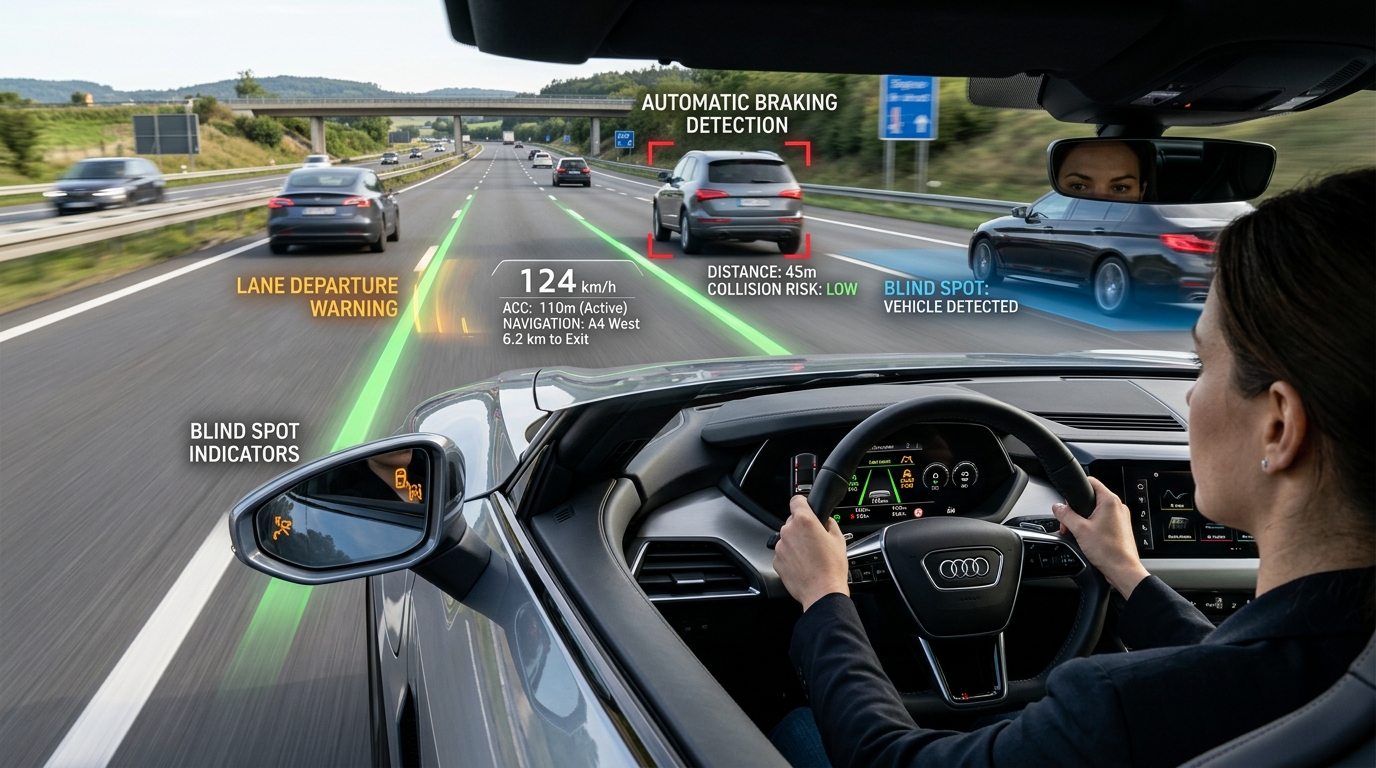
Choosing a new vehicle today is no longer just about performance, design, or fuel efficiency. The Best Automotive Safety Features to Look for in Modern Cars have become the most important factor for drivers and families worldwide. Modern vehicles are equipped with advanced technologies that actively prevent accidents, reduce injuries, and improve driver awareness on the road.
In this guide, we will explore the most important safety technologies you should prioritize when buying a car in 2026. Whether you are a first-time buyer or upgrading your current vehicle, understanding these features will help you make a smarter and safer decision.
Why Automotive Safety Features Matter More Than Ever
Road traffic accidents remain one of the leading causes of injury globally. According to the National Highway Traffic Safety Administration (NHTSA), advanced safety systems have significantly reduced crash-related fatalities over the past decade.
Modern vehicles are designed with intelligent systems that do more than just protect you during a crash—they help prevent crashes entirely. This shift from passive to active safety has changed how manufacturers design vehicles.
1. Automatic Emergency Braking (AEB)
Automatic Emergency Braking is one of the most critical features in modern vehicles. It detects potential collisions with vehicles, pedestrians, or obstacles and applies brakes automatically if the driver does not respond in time.
This system is especially useful in city driving, where sudden stops are common. It significantly reduces rear-end collisions and improves overall road safety.
2. Lane Departure Warning and Lane Keeping Assist
Lane departure technologies help prevent accidental drifting out of your lane. The system alerts the driver or gently corrects the steering when the vehicle begins to move outside lane markings.
This is especially valuable on highways and long-distance drives where fatigue can cause drivers to lose focus.
3. Adaptive Cruise Control
Adaptive Cruise Control (ACC) automatically adjusts your vehicle’s speed to maintain a safe distance from the car ahead. Unlike traditional cruise control, it reacts to traffic conditions in real time.
This feature reduces driver fatigue and enhances safety during long highway trips.
4. Blind Spot Monitoring
Blind spots are one of the most common causes of lane-change accidents. Blind Spot Monitoring systems use sensors to detect vehicles that may not be visible in side mirrors.
When a vehicle is detected, the system provides visual or audio alerts to help you make safer lane changes.
5. Rear Cross Traffic Alert
This feature is extremely useful when reversing out of parking spaces. It detects approaching vehicles from the sides and warns the driver before a collision occurs.
It is particularly helpful in crowded parking lots and urban environments.
6. Electronic Stability Control (ESC)
Electronic Stability Control helps maintain vehicle stability during sharp turns or slippery road conditions. It automatically applies braking to individual wheels to prevent skidding or loss of control.
According to safety research, ESC has reduced fatal single-vehicle crashes significantly worldwide.
7. Advanced Airbag Systems
Airbags remain a fundamental safety feature, but modern systems are far more advanced. Today’s vehicles include front, side, curtain, and even knee airbags.
These systems are designed to protect passengers from multiple impact angles during a collision.
8. Driver Attention Monitoring
Driver monitoring systems track behavior such as steering patterns, eye movement, and lane consistency. If signs of fatigue or distraction are detected, the system issues alerts.
This feature is becoming increasingly important as long-distance driving and digital distractions rise.
9. Pedestrian and Cyclist Detection
Modern safety systems also protect those outside the vehicle. Pedestrian detection uses cameras and sensors to identify people or cyclists in the vehicle’s path.
If a collision risk is detected, the system can automatically apply brakes to prevent impact.
10. Crash Test Ratings and Safety Certifications
Before buying any vehicle, always check its crash test ratings. Trusted organizations like the Insurance Institute for Highway Safety (IIHS) perform detailed crash testing on vehicles.
These ratings help you compare how different cars perform in real-world accident scenarios.
11. Connected Safety and Emergency Assistance
Many modern cars now include built-in emergency communication systems. In case of an accident, the system automatically contacts emergency services and shares location data.
This feature can significantly reduce emergency response time and save lives.
12. Child Safety and ISOFIX Systems
Family vehicles should always include ISOFIX or LATCH systems for secure child seat installation. These systems ensure that child seats are properly anchored and reduce the risk of incorrect installation.
Rear door child locks and seatbelt reminders are also essential features for families.
How to Choose the Best Automotive Safety Features to Look for in Modern Cars
When selecting a vehicle, focus on a combination of active and passive safety systems. Active systems prevent accidents, while passive systems reduce injury during impact.
Always prioritize vehicles with high safety ratings and multiple driver assistance technologies. Test drive different models and evaluate how intuitive the systems feel in real driving conditions.
Safety Features and Digital Economy Influence
Interestingly, automotive safety content has become a strong niche in digital publishing and monetization strategies. Many automotive bloggers also explore topics like affiliate marketing, online business, passive income, dropshipping business, and even comparisons like affiliate vs dropshipping to diversify their income streams.
While these topics are unrelated to vehicle safety, they often appear in SEO strategies to improve content reach and revenue potential in automotive blogging ecosystems.
Final Thoughts
The Best Automotive Safety Features to Look for in Modern Cars are no longer optional—they are essential. From automatic braking to driver monitoring systems, modern vehicles are built to protect both drivers and pedestrians.
As technology continues to evolve, safety systems will become even more intelligent and predictive. When purchasing your next car, prioritize safety above everything else. It is the most valuable investment you can make for yourself and your family.
External References:
